life, poetry, publishing, writers, writing

The Thrifty Creative: Three Strategies

Photo by Pixabay on Pexels.com

Experts tell us the GDP is great and unemployment is at an all-time low. Sounds wonderful, but let’s be honest: Average families like mine are struggling under the weight of exorbitant gas prices, record inflation, and severe stock market decline. The international conflict between Russia and Ukraine has impacted our dinner tables and our wallets, and the socioeconomic fallout from years of COVID has exacerbated the dilemma.

But this is not a political post, nor is it one that casts aspersions on any one political figure. The reasons for our current crisis are multi-faceted and intricately complex, requiring well-reasoned solutions from sharp minds. Should our leaders be doing more to fix our situation faster? Absolutely. The true heavy lifting in any notable society is done by the middle class, history shows us, and financially crippling this major swath of America is negligent, derelict, and cruel. Let readers place the blame where they will.

What is a poet to do under such monetary burdens? The same thing he always does: Write. That’s right — Money aside, I’m keeping at it. I am doing it, however, in a way that stretches dollars and makes cents (pardon the terrible dad-joke pun). What does this kind of penny-pinching “poeting” look like? Here’s a quick list:

1.) Hometown “residency:” Rather than taking a prestigious (see also: expensive) spot at some big-name writers workshop or conference, I’m writing nearby. My MFA alma mater is close to my home, and I’m able to use its spaces for submission work, writing, correspondence, and promotion. In previous blog posts, I’ve described a hometown residency model that leverages separate space apart from one’s home; this practice very much follows that same advice. I’ve minimized gas expenditure (visiting the university while my son is completing summer enrichment courses at his school in the vicinity), and I’ve become more intentional about the use of my time. I have a plan that accommodates inspiration.

2.) Using summer downtime wisely: Yes, I know — not everyone has the luxury of unoccupied summer days. I used to be one of those souls working year-round with less-than-occasional vacations, so stay with me. When I’m not doing family stuff, I’m seeing about the “business side” of writing. You know: Checking Submittable repeatedly, scoping out new markets via Duotrope, sending out applications for various awards or programs, and generally seeing about writing-related tasks apart from the writing itself, which requires serious time and deeper thought.

3.) Seeking fellowships, grants, and endowments: I’ve been fortunate. Over the years, I’ve attracted a happy little following to my work, and some of these people are quite generous. Recently, a benevolent donor funded a week’s stay at Rockvale Writers’ Colony in Tennessee, where I’ll be headed in late July to begin work on my latest project. I’m also asking supporters to fund research for my upcoming work via my Patreon page. This next book will be a powerful statement, and I’m hopeful a kind few supporters will provide the means for me to do intensive research at the Florida State Archives in Tallahassee. See Patreon for more details. But the big picture is just this — art takes financial support, and finding that support is doable with diligence.

So, there you have it — Three things that an artist (even a word-artist) does when things get tight. This period of sparsity will pass like others have, but in the meantime, there’s work to be done. As the old song says, lift that barge, tote that bale. Sooner or later, it’s bound to pay off.

life, poetry, Uncategorized, writing

What I Write When I Don’t Write Poems

Back-porch scribblings while looking across the pond.

Sometimes people ask me, ”Why don’t you write fiction or nonfiction?” My answer to them is, ”I do; it’s just not my first love or my calling.” I sometimes begin with prose before arriving at a poem. Today was one of those days. Sitting on my back porch with a yellow legal pad in my lap and a cup of coffee nearby, I began writing something, anything, to prime the mental pump. Gym-goers, consider this like the cardio before the weight training. As I cursived out a few initial throw-away words, the garbage truck pulled up out front, its brakes emitting that high, industrial screech that precedes a brief stop. This quick encounter prompted the following to appear on my notepad:

The sound of our neighborhood garbage truck takes me back to Fort Meade, circa 1986, when garbagemen (yes, that’s what we called them) would leap from the backs of slow-moving, dirty white trucks and, with Herculean muscle, lift and empty our large metal trash cans into the waiting, hungry mouth of the compactor in the truck’s rear. The work was filthy and stinky, and the men who did it went home every night smelling of other people’s refuse. But the men who did it grew strong and made a decent enough living to send kids off to college so they’d never have to become “sanitation workers.”

Today, the truck extends a mighty mechanical gripper. The machine lifts, empties, and returns the dumpster, which is lifeless gray plastic. There is no poetry in this process. No clang of cans, no yelling among workers. No Clyde, no Cecil [whose names we knew because they were embroidered onto gray-blue name-strips above their breast pocket, sometimes ripped]. No quick wave before the resumption of a route. Just an ugly claw taking waste, leaving vacancy.

Ironic, I suppose, that I openly stated the lack of poetry in modern rubbish collection. Had it not been for the shiny blue truck’s arrival and the sensations that went with it, my recollection would not have been triggered. I know that Cecil and Clyde (conveniently two C names) will probably make an appearance in a future poem. I know that those noises and memories will probably appear in that poem, as well. And I know that right now, I must allow those images and ideas to rest a while before they become something else. I’ll stash away this yellow piece of paper, and some morning at 4 a.m., much to my family’s chagrin, I will revisit this small vignette, and it will take on new life in my chosen genre.

This is what a life in literature sometimes looks like: not the gleam of an award or the bustle of a book-signing, but the simplicity of a legal pad, a ballpoint pen, and a cup of coffee. A view of a pond, a quick sensory stimulation, and a ready place to process all those thoughts that arrive. This is what I write when I don’t write poems.

life, poetry, publishing, writing

A Season of Good News

Photo by ViTalko on Pexels.com

Sometimes the cards are in your favor. Lately I’ve had my fair share of the positive, and I thought I’d apprise you, my loyal readers.

Item number one: Southern Literary Review did a fantastic review of my latest book, The Places That Hold. Claire Matturro, a phenomenal writer in her own right, really absorbed the meaning, the imagery, and the depth of this latest collection. You can find her lovely words here: https://southernlitreview.com/reviews/the-places-that-hold-by-john-davis-jr.htm

Item number two: The day after the great review above came out, Southern Literary Review posted a Q&A they did with me, as well. This really gets into the why and how of the book: https://southernlitreview.com/authors/claire-hamner-matturo-interviews-john-davis-jr-author-of-the-places-that-hold.htm

Item number three: I recently learned that The Places That Hold has won a bronze medal in the Florida Book Awards. For those outside the lovely Sunshine State, this is kind of a big deal here. Scholars, university faculty members, and respected authors are on the decision-making panel for the Florida Book Awards, and typically the works that are chosen represent voices that are more established. My good friend and mentor Erica Dawson received a gold medal in the Florida Book Awards a couple years ago for her book, When Rap Spoke Straight to God (Tin House Books). To be in the company of such fine voices is honestly humbling.

So yes, things are going well here. The launch of the book at Firehouse Cultural Center in Ruskin was a success (even amid high COVID rates and bad weather), spring break is a mere three weeks away, and another fair season is in full swing. As the Ferris wheel spins its nightly neon colors over in Tampa amid the noise and oily-delicious smells of the midway, I’m reminded that everything is cyclical — there are highs and lows, lights and darkness. I’m grateful to be in a higher, lighter time.

If you haven’t yet purchased a copy of The Places That Hold, let me recommend the best possible site to get one: https://www.indiebound.org/book/9781934894682 (This site will connect you to your local independent bookstore, who needs your business now more than ever — Don’t get me wrong, I use the “big boys” too, but let’s help out our smaller merchants). Thank you for supporting poetry!

If you’d like to allow others to enjoy the book, you can help spread the word about The Places That Hold by making a donation of any size through PayPal: https://paypal.me/poetjohndavisjr?country.x=US&locale.x=en_US

poetry, publishing, writers, writing

Appearance on Florida Writers Podcast

Hello friends, fans, and followers.

I was on the Florida Writer Podcast and had so much fun being interviewed by Alison Nissen for the Florida Writers Association.  Enjoy our conversation as we chat about the intertwining past and present of poetry, Florida history, and finding inspiration.

https://floridawriters.libsyn.com/exploring-the-dark-history-of-florida-with-poet-john-davis-jr

Thanks for tuning in!

poetry, publishing, writers, writing

Preparing for the Big Launch

I used to serve under a school administrator who repeatedly used the cliche, “This ain’t my first rodeo.” In fact, he kept a large wooden sign with the phrase painted on it in his office. I hate that expression now.

Tomorrow I will launch my fifth book, The Places That Hold, at the Firehouse Cultural Center in lovely small-town Ruskin, Florida, where I’ve given many poetry workshops over the years, and I find myself repeating the “first rodeo” cliche as a way to assure myself that everything will go just fine.

Book launches are always a crap shoot: You could have zero people or 100, just depending on so many other factors. This time, there’s Omicron lurking around us, a children’s parade, and a handful of competing events. Truthfully, poetry isn’t known for bringing in the masses, and I get that.

I’ve done my part — The word has been put out on social media and through other outlets, I’ve readied all the supplies, and I’ve recruited at least a few good friends to comprise an audience in case nobody else shows up. I know what I’ll be reading, wearing, and doing at the event itself. I’d like to say this is “old hat” by now, but with all transparency, putting a new book into the world with a special engagement like this always tends to be nerve-wracking until it’s done.

So yes, “This ain’t my first rodeo,” but you never know which way the bull might buck, either. Stay tuned, readers. There may be figurative face-manure or a shiny buckle ahead; only time will tell.

poetry, publishing, Uncategorized, writers, writing

Book Launch! You’re invited

Hello friends, fans, and followers!

The official launch of The Places That Hold will take place Saturday, January 22 at 2 p.m. at the Firehouse Cultural Center in Ruskin, Florida. It’s a stone’s throw from Tampa and St. Petersburg, so if you’re local, come on by! For those on Facebook, see the link below:

www.facebook.com/events/595926751480194/permalink/596159064790296/

Here’s hoping you can make it to this fun event!

life, poetry, publishing, Uncategorized, writers, writing

The Joy of Author’s Copies

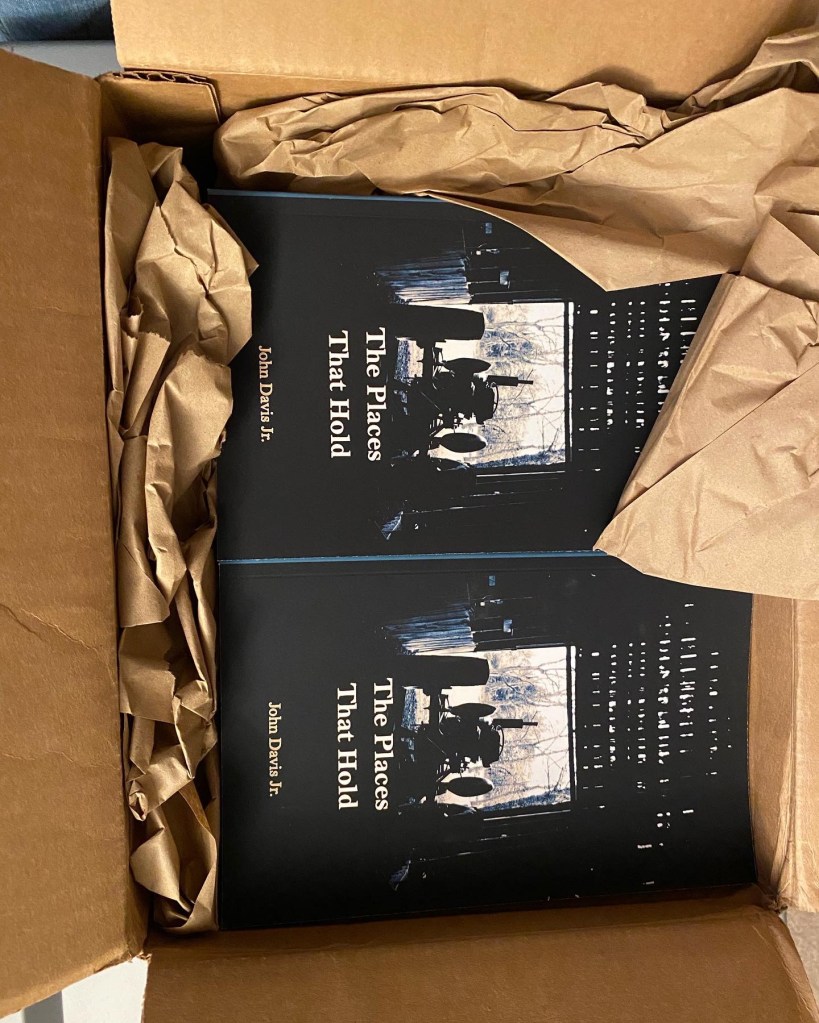
Look what arrived today!
There’s nothing quite like holding your book after it’s just been published.
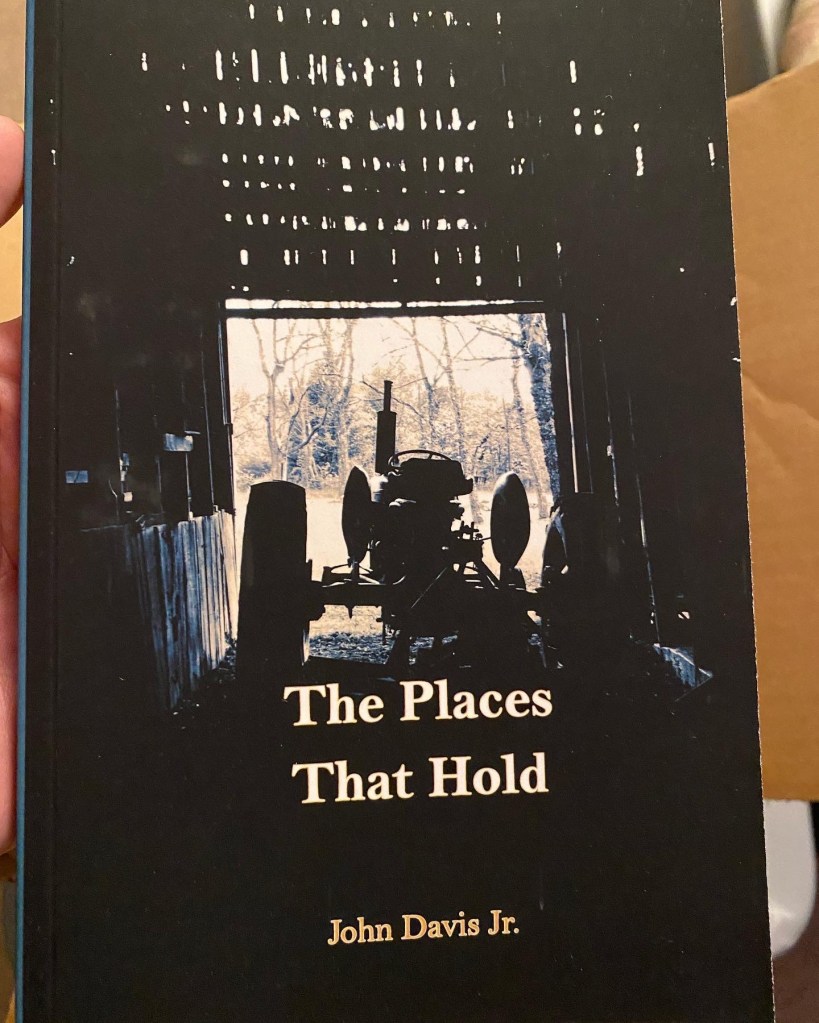
Even the back cover is beautiful. So satisfied with this collection!

Ready to get your own copy? Visit:

https://eastoverpress.com/books/the-places-that-hold/

life, poetry, publishing, Uncategorized, writers, writing

Accepting Preorders Now!

front-cover-davis-2

The Places That Hold

John Davis Jr.’s newest poetry collection published by Eastover Press. Small-town life, rural truths, and poems of captivity interweave themselves in this volume.

$20.00

For all those who’ve eagerly asked to be notified when the new book is available, I have special news: Tuesday is the official release day! In preparation for this major event, I’m offering my preorder folks a unique bargain — order today (before the release) and you’ll have a signed copy made out to you. I’ll ship it to you (shipping included in price above) along with a personal card of thanks as soon as I receive my author’s copies. As the holiday season arrives, please help me celebrate this new collection with your support. Just click the “Pay with PayPal” button above. Thanks in advance!

life, poetry, publishing, writers, writing

Cover Reveal: The Places That Hold

Hello, readers. I’m very excited to reveal the cover of my new forthcoming book! Hot off the designer’s PC, here’s the front of The Places That Hold, my fifth collection.

This 81-page book contains some of my finest work yet, according to my fiercest critics (see also: wife and sons). I’ve had a great experience with EastOver Press, the publisher. They’re located out of Rochester, Mass., but the editor calls Speedwell, Tennessee home. This publication marks the first time I’ve ever received an advance for a book, and while it’s crass to discuss money matters, I can honestly say that receiving that check was both gratifying and validating for a small-town scribbler like me.

Perhaps what I’m most excited by is this book’s rare chemistry: It is a unique combination of fond reflection and tragic documentary. On the one hand, there are lots of poems about the beauty and history of my home state. But on the other, there is one whole chapter devoted to pieces inspired by the horrific events that took place at Dozier Reform School in the panhandle. The book is equal parts light and darkness, with poems that examine what it means to call somewhere home alongside those about alienation and abandonment. For those seeking the rural and the natural, you’ll find plenty of both here, but you’ll also find the noise and smell of cities like Tampa, St. Petersburg, and even Lisbon, Portugal. These “Places That Hold,” alongside others, create a book that is rich in imagery. These poems provide escape via captivity.

Keep your eyes on this site for further updates; as soon as The Places That Hold becomes available for purchase, I’ll provide the links and locations here. Thanks as always for supporting my work, and may your upcoming holiday season be the happiest yet.

life, poetry, writing

Night Hikes, Vultures, and Subjects to Avoid in Writing

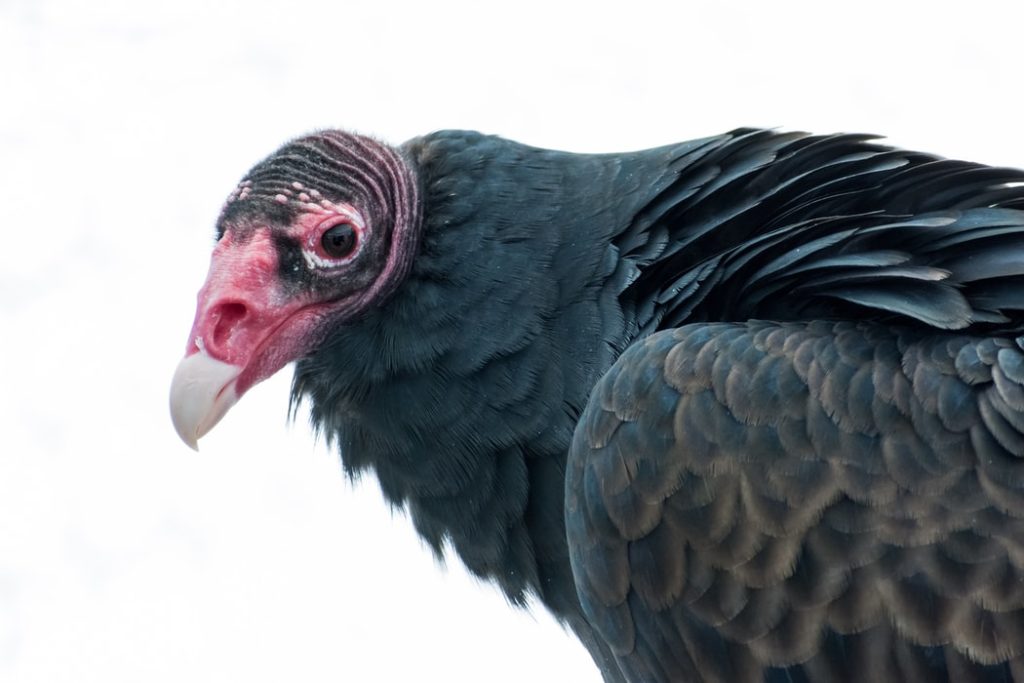
Turkey Vulture (Cathartes aura) « Extension's Sustainable Tourism Blog

Last New Year’s Eve, I took a night hike that turned scary. My boys, my wife, and I were at Pioneer Park in Zolfo Springs, and we weren’t quite ready to hit the hay, so we began walking. I brought along my Q-beam, a powerful handheld light that could shine the eyes of racoons, opossums, and other night creatures.

As we walked, we heard a shuffling in the high branches of nearby cypresses. Curious, I shone the bright light up into the dark boughs. Hundreds of buzzards were roosted there, and I had disrupted their beauty sleep. They swooped angrily from the trees, their oily wings and guttural calls combining in horrid cacophony above us. Their thick, putrid droppings spattered the ground. Both my sons thought the big birds were attacking us; in retrospect, they may have been right.

We retreated to camp. Tired from running and drained from an adrenaline dump, we all had a long and deep night’s sleep in our tent. The next morning over a campfire breakfast, we talked over the incident from the night before: Were the vultures merely moving from the discomfort of the light? Were they defending the roost? None of us knew for sure. But the lesson learned remains with us on every camping trip — Don’t wake the buzzards.

What, you may ask, does this story have to do with creative writing? Well, as an MFA student, I was often encouraged to write about the things that were most uncomfortable and disruptive. “Dig into your deepest secrets and horrible moments,” the advice went, and many young writers did exactly that, producing poems and stories about the most horrific traumas and ugliest family secrets you can imagine.

But we are now living in an age where those kinds of experiences flood the Internet and all other forms of media. If one expects to be read or heard, there needs to be some kind of wound or tribulation involved. It’s exhausting, and it’s warping the upcoming generation. We now have boys and girls who consider emotional damage the norm, and if someone isn’t professing a psychological condition, they become the outcast. I say enough.

There is a reason that Billy Collins and the late Mary Oliver are best-selling poets: Their work often explores the everyday, the pleasant, and the (heaven forbid) accessible. People are tired of reading about degradation and dismay, and poetry that continues to explore darkness only reaffirms what non-readers of poetry already thought — Poetry is some exclusive, deeply morose art form that only eccentrics and humanities majors can “get.”

It’s time to stop disturbing the vultures, writers. Our potential audience is waning like never before because they’re done with all the negativity, the political diatribes, and the recounting of grievous injustices. Should our poetry become all sunshine and daisies? No. Is there a time and place where unkind or ugly words must be shared? Yes. But we have already overextended that period, and it’s time to give readers some joy, some light, and some of what the Romantics would celebrate — poetry that glorifies nature, humankind’s connection to it, and life at large.

We need more odes, and less of the odious. Poetry will thrive with the masses again when we begin to remember the words of the apostle Paul: “Finally, brothers, whatever is true, whatever is noble, whatever is right, whatever is pure, whatever is lovely, whatever is admirable–if anything is excellent or praiseworthy–think about such things.” It’s high time that our words gave people the impressions and sensations of positivity. Now more than ever, we need poems that are lights. And we need those lights to shine on something other than the “buzzards” of our shared humanity.