 FLteacherpoet555
 Regular readers may recall in mid-November that I was lamenting copious recent rejections and doubting my own ability as a poet. I feared I had “lost my touch,” in essence, and I was also seeking solace in other genres, among other things. Not too long thereafter, I was contacted by a prestigious literary journal whose reading period is ongoing. I was complimented by the editor on a fine poem, and I was asked not to say anything about the acceptance until their reading period ended (which it has not). Hence, the mystery and ambiguity at this point: I’d love to tell you where and when the poem will be published, but I’ve made promises, and for now, I’m keeping them.
The lesson in all this, of course, is one I learned long ago but still occasionally forget: One’s poetic victories and losses wax and wane, and there is usually a fair balance among the wins and defeats. Inspiration doesn’t just suddenly die, and experimentation can make one’s voice more authentic, more robust. If nothing else, dabbling with other choices can help reinforce the resonance of a poet’s authentic voice — it certainly did for me.
When I stopped “messing around” with subjects, ideas, and forms that were unnatural and inorganic to my sensibilities, I was able to return to the true, the genuine, and the productive. Like Dickinson, Frost, and countless others before me, I have certain friendly forms and techniques that have served me well over the years, and while breaking from them for a time can serve as a kind of oasis, sooner or later, the trek must continue more earnestly than ever before.
My journey has been (and continues to be) one marked by the regional, the rural, and the real. These descriptors, however I may wish to alter or even abandon them, continue to define my work, as they are the sources I return to again and again, and they rarely fail me.
Place is inextricable from my diction. Every Dickinson needs her Amherst, every Frost needs his Vermont (or New Hampshire), and every Hughes, Cullen, or Toomer needs his Harlem. I need central Florida and its rhythms, its landmarks, and its people as much as I need oxygen. This land and its characteristics are infinite in their inspiration.
As the publication of this newer piece arrives, I’ll be sure to follow up here. For now, may I politely suggest a few stocking stuffers:
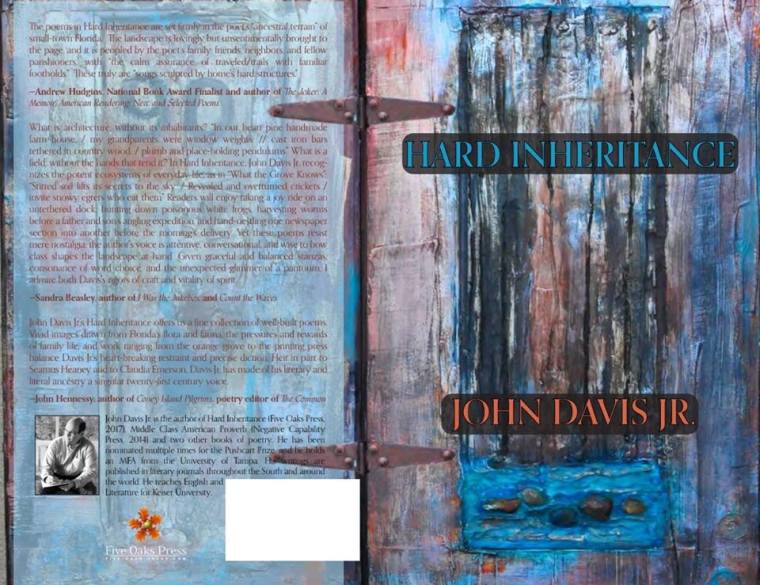
Hard Inheritance — My latest (2016) collection filled with the wonders and truths of agrarian life.
Middle Class American Proverb — My 2014 book that was a finalist for the Lascaux Book Prize, and which includes multiple Pushcart-nominated poems. It is also my largest collection to date, and was hailed by poets from Peter Meinke (poet laureate of Florida) to Erica Dawson (2016 Poets Prize winner, among other accolades).
The Boys of Men — A chapbook (meaning little/short collection) of poems about fatherhood, mentorship, and the bonds that link generations to one another. A good gift for the teacher, dad, or son on your list. And cheap!
Thank you, readers and lovers of poetry, for your continued support. This literary life might not be an easy road at times, but it certainly remains valuable. Onward to Christmas!
 Recently I’ve been rejected. A lot. As in, even the Armpit of Nowhere Review won’t publish my work.
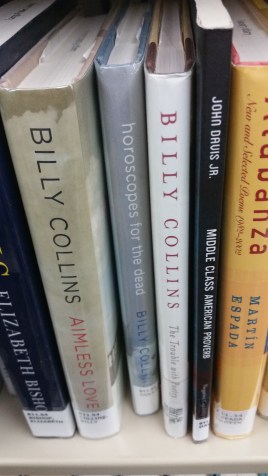 While browsing the local library nearest my university the other day, I stumbled across one of my books neatly tucked between other collections of poetry by some very well-known names in the literary realm. I’ve always been honored to see my work juxtaposed with that of “name-brand” poets, and I’ve even caught myself saying in those brief author’s bios that lit mags make you write: “His work has been published alongside that of [well-known literary icon] in [equally well-known literary journal].” I’m going to stop doing that, and here’s why:

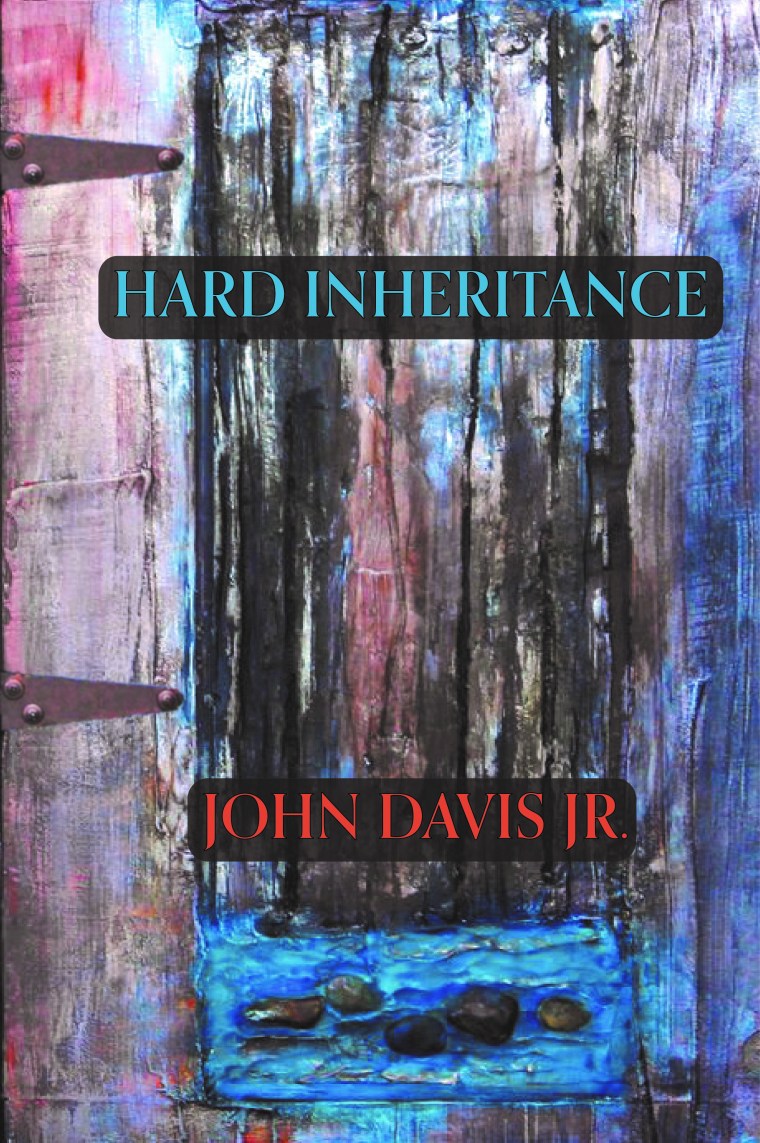 In one week, I will be launching my latest collection,
  So many of my friends have been cheering on the parting of 2016, thankful that it is about to fade into oblivion. As these last few hours tick by, I can’t believe I’m actually feeling sorry for a year in history. But 2016 has elicited that response from me, strangely enough. I feel that 2016 has been like that unpopular kid in class that everybody liked to pick on: easy prey because of difference. I, for one, kind of enjoyed 2016 — not necessarily for political or cultural reasons, but for its more personal milestones:
 Allow me to begin by saying I’m no numerologist. I do believe, however, that one day, we will all understand why the numbers in our lives intermingle and coordinate the way they do. I also believe that this overlap of figures is more than just mathematical. There is a purpose to the numbers, and it’s not just coincidental.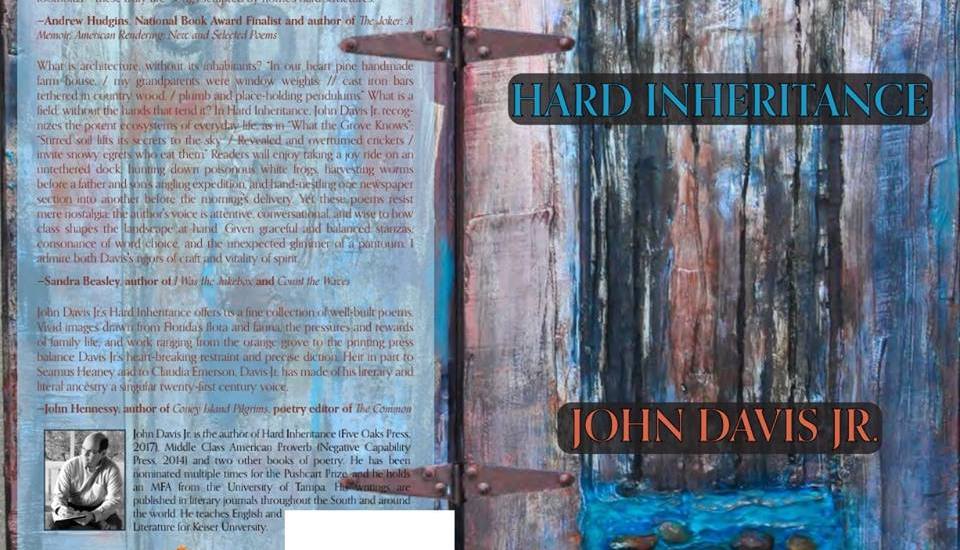
 John Davis Jr. -- Author