 FLteacherpoet555
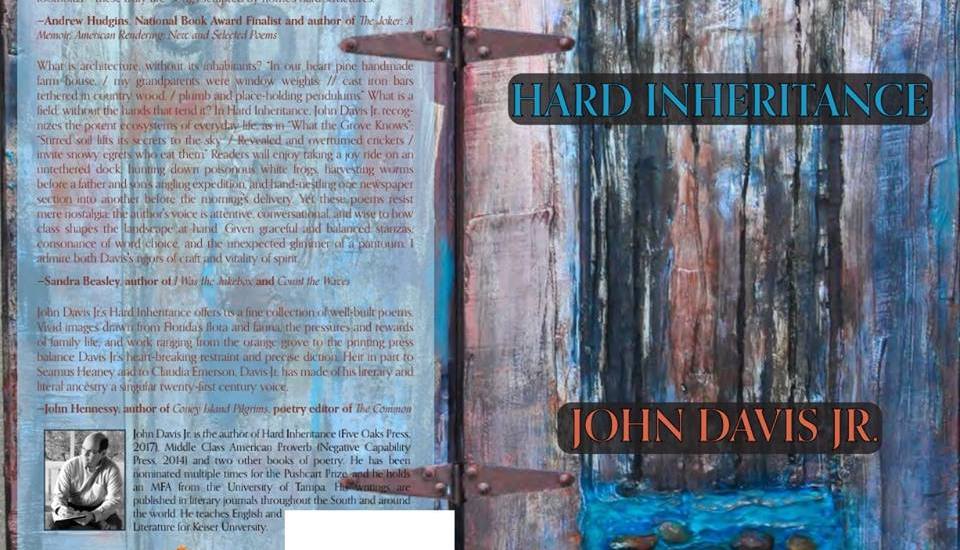
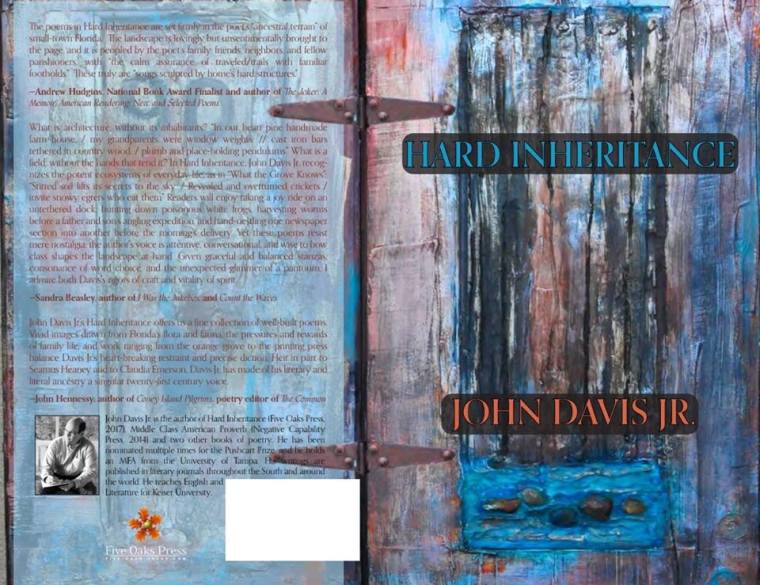
After years of writing and months of preparation, Hard Inheritance is now available! Just in time for the holiday season, this new volume contains works first published by such literary powerhouses as Nashville Review and similar respected journals.
Perhaps more importantly, though, it is a testament to life lived in rural Florida. Following in the footsteps of its older brother, Middle Class American Proverb, Hard Inheritance offers readers a glimpse into the trials, joys, and landmark events of time spent in places that barely get their own map-dot. Moreover, it presents a portrait of such places’ people — the hard, the charitable, the native.
Notable southern poet Andrew Hudgins says this about Hard Inheritance:
“The poems in Hard Inheritance are set firmly in the poet’s ‘ancestral terrain’ of small-town Florida. The landscape is lovingly but unsentimentally brought to the page, and it is peopled by the poet’s family, friends, and fellow parishioners. … These truly are ‘songs sculpted by home’s hard structures.'”
And award-winning poet Sandra Beasley adds:
“What is architecture, without its inhabitants? ‘In our heart pine handmade farm house, / my grandparents were window weights: // cast iron bars tethered in country wood, / plumb and place-holding pendulums.’ What is a field, without the hands that tend it? In HARD INHERITANCE, John Davis, Jr. recognizes the potent ecosystems of everyday life, as in “What the Grove Knows”: “Stirred soil lifts its secrets to the sky. / Revealed and overturned crickets / invite snowy egrets who eat them.” Readers will enjoy taking a joy ride on an untethered dock, hunting down poisonous white frogs, harvesting worms before a father and son’s angling expedition, and hand-nestling one newspaper section into another before the morning’s delivery. Yet these poems resist mere nostalgia; the author’s voice is attentive, conversational, and wise to how class shapes the landscape at hand. Given graceful and balanced stanzas, consonance of word choice, and the unexpected glimmer of a pantoum, I admire both Davis’s rigors of craft and vitality of spirit.”
I’m incredibly excited by this new release, and I hope you’ll pick up a copy to fill a stocking or to surprise that word-lover on your list. Get one for yourself, while you’re at it. Here’s wishing everyone the warmest of holiday seasons! Happy Reading!
BUY HARD INHERITANCE HERE: Link to purchase the book

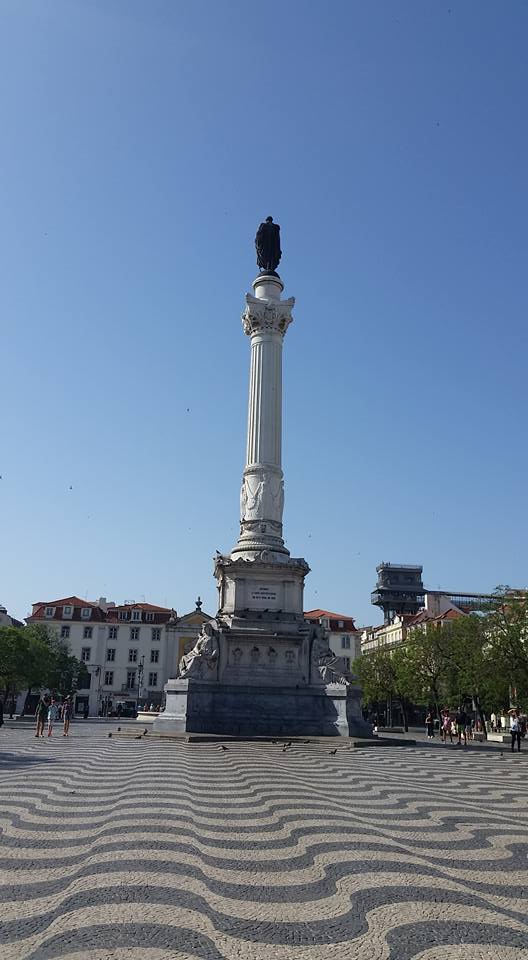 I recently spent 16 days in the city of Lisbon, Portugal as part of the Disquiet International Literary Program. Having had enough time to process everything I encountered there, I’ve come to some conclusions. There’s a lot that towns and cities can learn from looking at the Lisbon model. I’d like to highlight a few of the things that Lisbon is doing right, and offer some possible applications for other cities in the process:


 Recently, I attended a lecture by a respected writer who posited that we should write about the obscene, the vulgar, the disgusting, and the revolting. He said that his logic for this encouragement depended not upon shock value, but rather, upon the notion that all such things were true. Specifically, he called writers in the seminar to write about their bodily functions, sexual encounters, hidden diseases, and sources of physical shame. This, he said, would lead to writing that was absolute truth, and would liberate writers from their self-consciousness. Likewise, such writing would reach an audience that has apparently been searching for such literature — in his mind, there exists a group of people who want to know that others do, in fact, excrete waste, cavort recklessly, and wrestle with modern-day plagues (and desire to read about it). Perhaps so.
 John Davis Jr. -- Author