life, poetry, writers, writing

Windows Open at Night

Not my house, but wouldn’t it be nice? Photo by Sami Aksu on Pexels.com

When I attended the Glen West Writers Workshop in Santa Fe, New Mexico back in 2013, I remember being shocked at the lack of air conditioners. Surely, I assumed, I’m going to roast at night. My charitable hosts told me to keep the unscreened windows open (which my Floridian brain immediately equated with MOSQUITOES), and I’d be more than cool enough. There were trays of lavender in the windowsills to keep out the scorpions. I took them at their word, and sure enough, evening temperatures dropped to a comfortable (even chilly) low, and no insects or lobster-looking arachnids entered. Also, being far out in the New Mexico steppe meant no human intruders tried any funny business.

When I was a boy, my family and I travelled to North Carolina to visit some family members near Highlands. There also, I was told to sleep with the windows open and things would be cool enough. Granted, these windows had screens, but an eager listener could still hear all the nocturnal sounds of the mountains, including owls, rustling varmints, and the occasional stir of trees as breezes came and went. It was one of the most peaceful feelings I recall.

It was not uncommon for me to sleep with my tent windows totally unrolled to expose the screens when I was becoming an Eagle Scout. In Florida, every little whiff of passing air helps tame the intense humidity during most of the year, and a completely zipped-up tent is really nothing more than a sweat lodge. Sleeping with the window flaps down allowed me to see stars and listen for racoons, bears, opossums, or other night visitors in camp. I still slept well, and I remember feeling very close to nature, despite what many would have considered exposure and vulnerability.

Why, you might ask, am I recalling these episodes? The other night, I went to bed without closing my sun porch windows. One would think that such an oversight would result in burglary or other potential dangers. But no, when I came out onto the sun porch the next morning to do a little writing, things were dewy and even a little cool (by Tampa standards), but nothing had been disturbed. The sensation of the porch brought to mind all the other times I’d been allowed to keep windows open at night, and it conjured up an apt metaphor:

In his book From Where You Dream, Robert Olen Butler speaks of writing during that state between sleeping and waking. In other words, write as soon as you get up to tap into that portion of your brain where dreams originate. I believe that the converse of this is also true: When one lies down at night, deflating from the events of a day, the brain begins its filmstrip of previous images and important snatches of things noticed. That is, our “windows are open” in a sense. We are able to vividly piece together disparate ideas by sensing the outside world in a distanced but connected way. Neurologists and psychologists agree, and the emerging brain science behind creativity indicates that people entering or leaving the REM stage of sleep are most capable of allowing the brain to resolve issues the fully conscious mind cannot. This is also why some forms of meditation are effective for helping the mind filter matters down to their essence.

As a writer, I’d like to have my “windows open” all the time. That way, I could channel inspiration and figure out how things are connected more immediately. But to live in such a constantly enlightened state would probably be too sublime — it would remove the challenges that form human experience as we know it. Robert Penn Warren once said, “How do poems grow? They grow out of your life.” Having occasional “windows-open-at-night” moments is satisfactory; too many would make them mundane, not unlike living where you vacation.

For now, I’ll take the infrequent moments of epiphany. They’re what make life as a writer unpredictable and entertaining. And besides, I can’t sleep with the windows open all the time — it’s Florida, after all, and the whisper of A/C and the tick of a ceiling fan have their own certain charms.

life, poetry, Uncategorized, writing

What I Write When I Don’t Write Poems

Back-porch scribblings while looking across the pond.

Sometimes people ask me, ”Why don’t you write fiction or nonfiction?” My answer to them is, ”I do; it’s just not my first love or my calling.” I sometimes begin with prose before arriving at a poem. Today was one of those days. Sitting on my back porch with a yellow legal pad in my lap and a cup of coffee nearby, I began writing something, anything, to prime the mental pump. Gym-goers, consider this like the cardio before the weight training. As I cursived out a few initial throw-away words, the garbage truck pulled up out front, its brakes emitting that high, industrial screech that precedes a brief stop. This quick encounter prompted the following to appear on my notepad:

The sound of our neighborhood garbage truck takes me back to Fort Meade, circa 1986, when garbagemen (yes, that’s what we called them) would leap from the backs of slow-moving, dirty white trucks and, with Herculean muscle, lift and empty our large metal trash cans into the waiting, hungry mouth of the compactor in the truck’s rear. The work was filthy and stinky, and the men who did it went home every night smelling of other people’s refuse. But the men who did it grew strong and made a decent enough living to send kids off to college so they’d never have to become “sanitation workers.”

Today, the truck extends a mighty mechanical gripper. The machine lifts, empties, and returns the dumpster, which is lifeless gray plastic. There is no poetry in this process. No clang of cans, no yelling among workers. No Clyde, no Cecil [whose names we knew because they were embroidered onto gray-blue name-strips above their breast pocket, sometimes ripped]. No quick wave before the resumption of a route. Just an ugly claw taking waste, leaving vacancy.

Ironic, I suppose, that I openly stated the lack of poetry in modern rubbish collection. Had it not been for the shiny blue truck’s arrival and the sensations that went with it, my recollection would not have been triggered. I know that Cecil and Clyde (conveniently two C names) will probably make an appearance in a future poem. I know that those noises and memories will probably appear in that poem, as well. And I know that right now, I must allow those images and ideas to rest a while before they become something else. I’ll stash away this yellow piece of paper, and some morning at 4 a.m., much to my family’s chagrin, I will revisit this small vignette, and it will take on new life in my chosen genre.

This is what a life in literature sometimes looks like: not the gleam of an award or the bustle of a book-signing, but the simplicity of a legal pad, a ballpoint pen, and a cup of coffee. A view of a pond, a quick sensory stimulation, and a ready place to process all those thoughts that arrive. This is what I write when I don’t write poems.

life, poetry, Uncategorized, writers, writing

Writing the Living

There once was a famous poet (Robert Penn Warren, I think) who said something like, “Poetry is found in the living of life.” Obviously I’m paraphrasing there, but I’m doing so to make a point.

Recently, like so many other people in this weird time, I was furloughed from my full-time university teaching job. I have another three weeks or so before the furlough is supposed to be over, and even that expectation may prove false — who knows?

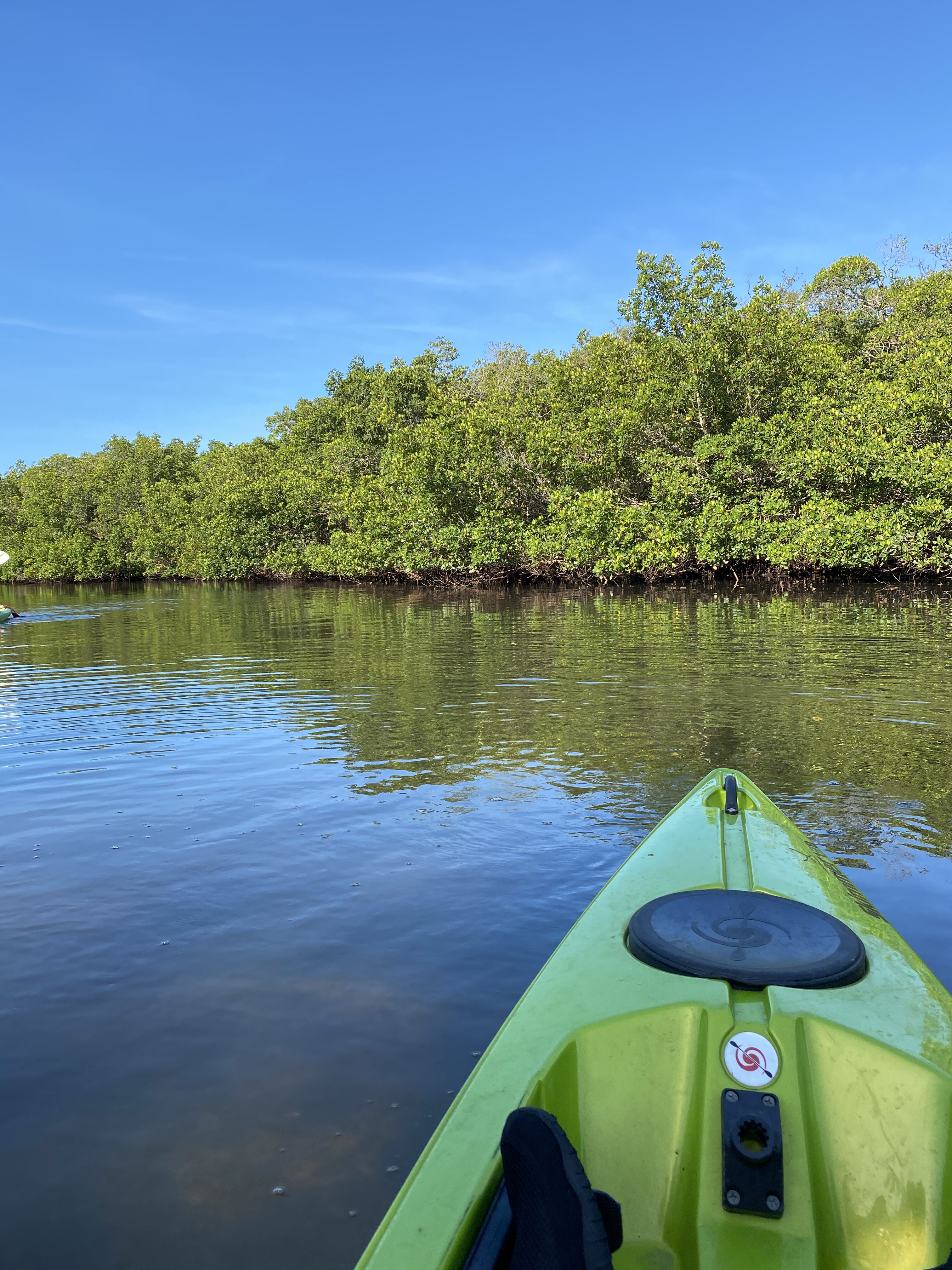
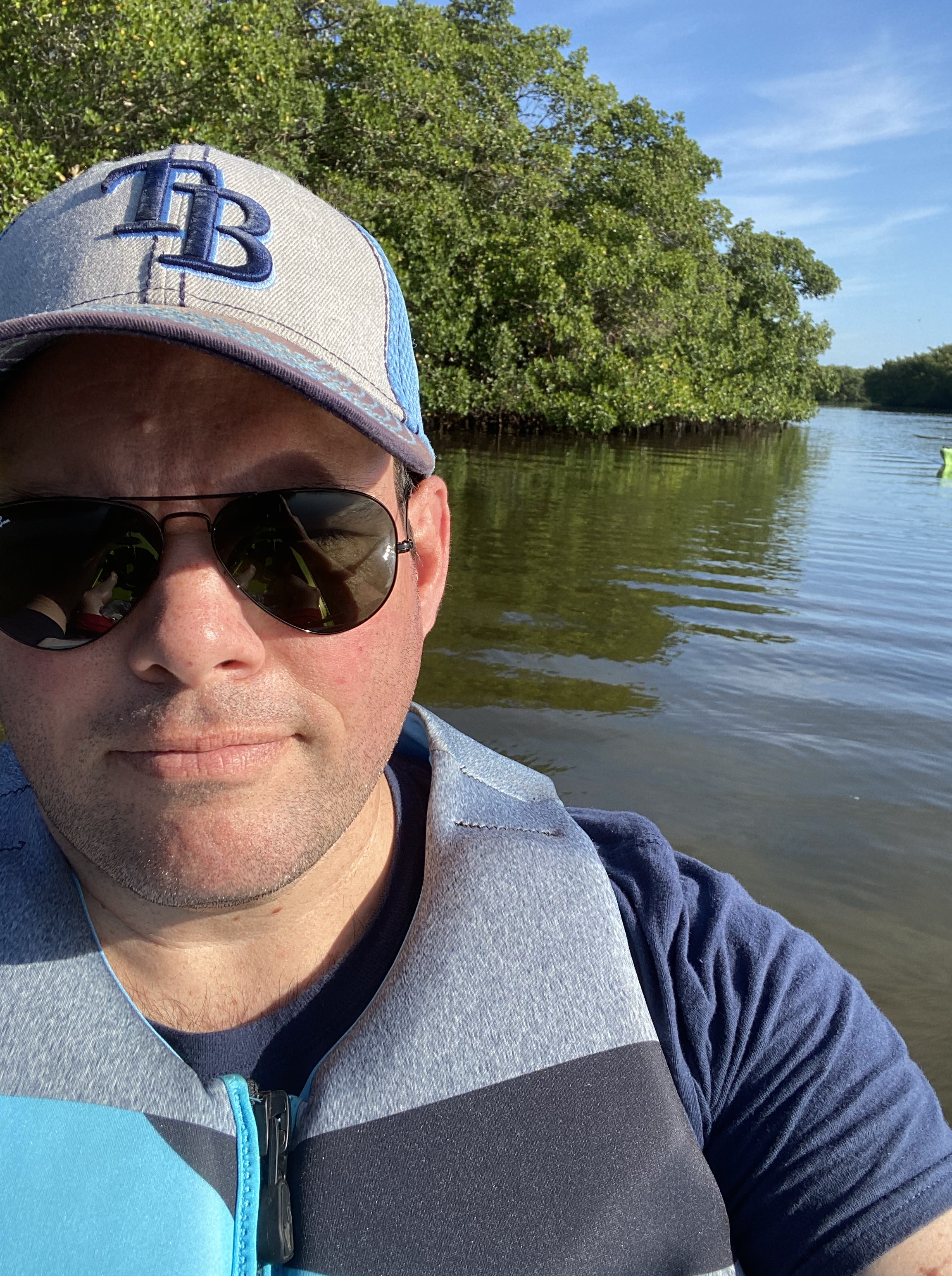
In the meantime, I’ve been devoting myself to other endeavors: my podcast, for example, or the Skillshare classes I create. But this past weekend, as my in-laws took my sons for a sleepover, my wife and I undertook a different venture: Kayaking.

Kayak1

If you’ve followed this blog very long, you know I’m a pretty outdoorsy guy. I camp, fish, shoot sporting clays, and generally enjoy being in nature. But kayaking makes your mind different every time you go.

About this time last year, I was serving as a faculty member at the Word and Community writing retreat in Arbor Vitae, Wisconsin. While there, I kayaked almost daily. I’d set out at dawn and cross Trout Lake, visiting a small island in the middle of it. Some days the wind made the lake choppy, and staying stable was challenging. Other days, the water was like glass, the paddling was easy, and the big-windowed houses on shore seemed to smile at my presence there as loons sounded their cries in the distance.

That kayaking was different from the trip I took this weekend. For one thing, while at last year’s retreat, my mind was in a very “literary” place, and it was busy seeking inspiration (almost artificially) in minute details and newfound sensations brought on by foreign geography. Inspiration was found, but only when I allowed my mind to relax and stop trying to force poetry from every ripple in the water.

In contrast, this weekend was less about the literary and more about escape — Getting away from my stalled professional life, from my pessimism, and yes, even from my poetry. As much as I love writing, it has the propensity to consume me, too.

Kayak2

But what does all this have to do with Warren’s quote, you may ask? Kayaking is perhaps one of the best examples to demonstrate that writers need to go and do, not just write. The canonized masters of the 20th Century weren’t just sitting in their studies, thinking lofty thoughts and scribbling philosophical diatribes — they were men and women of action, and through those actions, they found literature.

Even if no immediate epiphanies arise from an activity, it is the living of life, not the recording of it, that counts. So often in our present, we think of travel and events in regards to their photographic potential. How will this trip or this exercise look on social media? Maybe it’s time we started enjoying things simply for their essence again. Rather than speculating about what kind of poem, story, essay, or photograph something will create, can we just live? Because I can promise you, if Warren is right (and I believe he is), inspiration will come to us. When our minds are clear and our worries are fewer, the words will arrive. In the meantime, there’s a new day ahead. Let’s seize it.

Kayak3

life, poetry, publishing, teaching, Uncategorized, writers, writing

The Joy of Writerly Objects

With all due respect to Marie Kondo and other “organization” experts, I’m not making my space utterly devoid of stuff. Here’s why: Stuff has history. Stuff is full of inspiration, and sometimes it can make us think in ways we ordinarily wouldn’t. And finally, stuff has meaning. If a thing has beauty as well as function, then it ceases to be what some experts would call “clutter.”

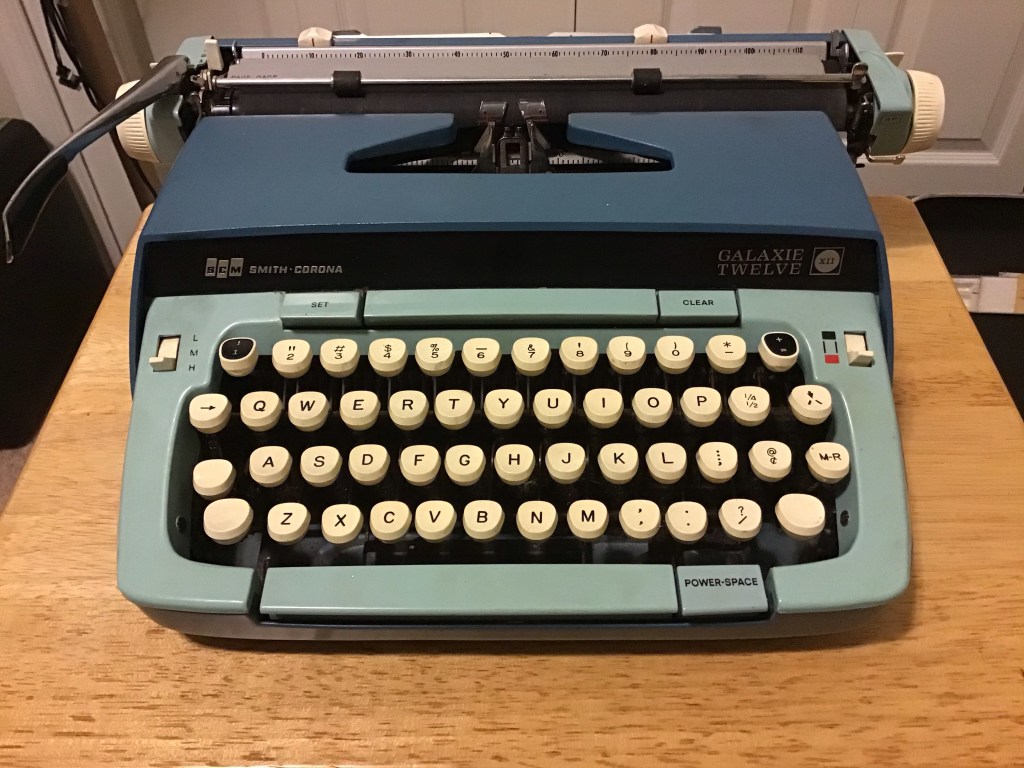
My Smith-Corona Galaxie Twelve typewriter. Molon Labe, home arrangement experts. I dare you.

Now before you call Hoarders and report me, let me say that there’s an extent to everything. My study is not overflowing with so much junk that I can’t even move, let alone think. But I do have a number of objects that I keep because of their inherent aesthetic value. Here, I’d like to talk just a little about the items I hold dear as a writer, and how my practice might suffer without them.

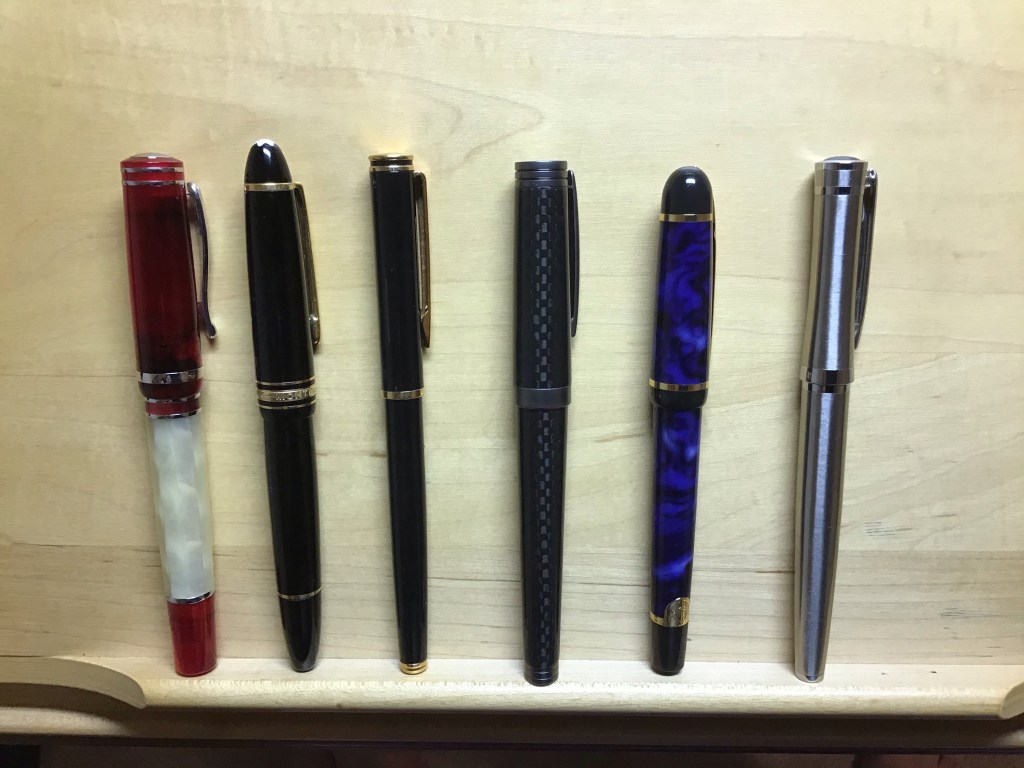
An assortment of fountain pens by Waterman, Montblanc, Levenger, and other makers. Vital to step one of poem creation.

Good pens are the frontline workers of the creative life. When smooth ink is flowing freely, filling good paper with artfully rendered words, the whole experience of writing is improved. I prefer old-school fountain pens because they connect me to generations of great minds well before our all-things-temporary present. Watching a crafted nib do its work motivates a writer to do his work in an equally elegant way. On my podcast, I talk about how connecting to things by touch can result in artistic revelation, thereby generating more output (writing or otherwise). Good fountain pens are probably the prime examples of this idea in action, and they’re good for Socratic Journaling, another idea explored on my podcast.

Uncle Hy’s ashtray — historically used in the evenings, when he’d puff on his pipe after reading the paper.

Some of the stuff I keep has sentimental value. My Great Uncle Hy was a swell guy — he was a businessman through and through, and over his lifetime, he did well for himself. One relic of his that I’ve kept is the translucent heavy green glass ashtray he used when smoking his after-dinner pipe. While I’m not a smoker myself, I use it these days to hold the aforementioned fountain pens and other office sundries. It catches the light the same way it did when I was a boy and became fascinated by its color and brilliance. The memory of Uncle Hy and his industriousness keeps me going when I feel like slacking off.

The compass box — just because it’s cool.

Some things call out to you when you see them. Such was the case when I saw this little faux ivory box at The Oxford Exchange in downtown Tampa. It holds paper clips and thumbtacks mostly, but it also reminds me to stay true in my direction. Its weight is pleasantly permanent, and opening it is always an experience filled with possibility, even though I’m well aware of what’s inside. There’s a kind of Indiana Jones mystique about it, so yes, it stays.

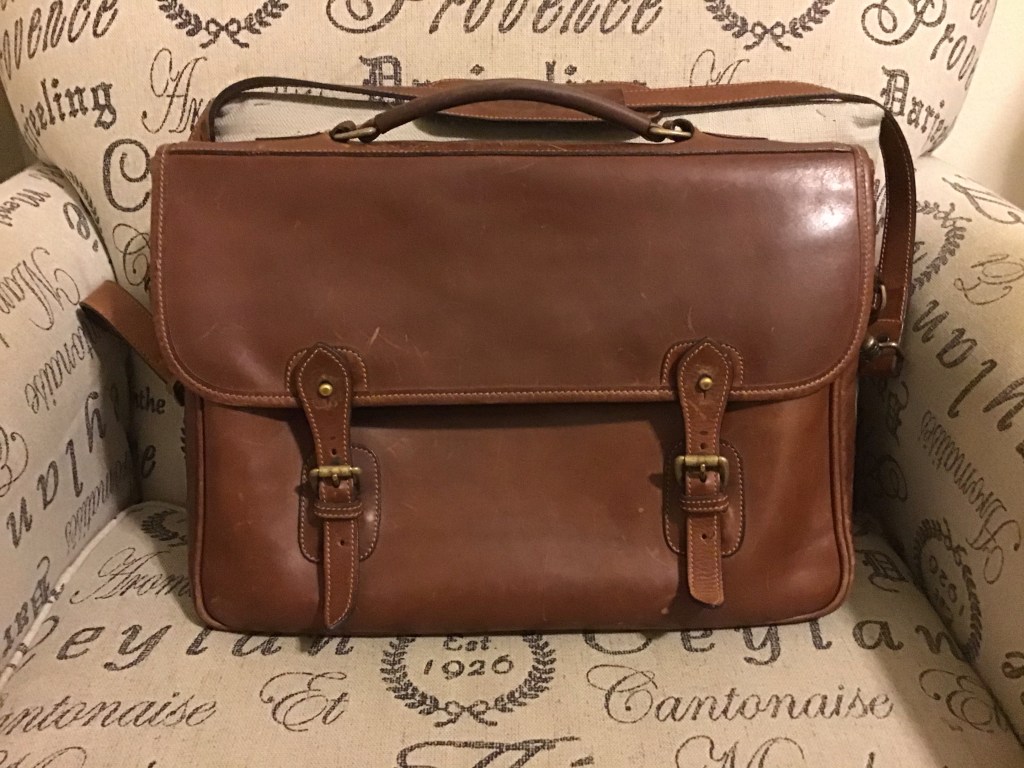
This briefcase has so many stories behind it…

My leather briefcase was given to me by my mother after I received my first master’s degree. Over the years, it has been to Lisbon, Portugal, Santa Fe, New Mexico, and lots of other spots. It holds everything I need, and frankly, it has become an extension of me — rare is the day when I walk onto campus without it. It even smells like literature.

So there you have it — an assortment of objects and keepsakes that make my literary life a little more inspiring. Minimalists and Feng Shui practitioners take note: These items might not be totally utilitarian, but they absolutely influence my creative process. Maybe you’ll say I should be willing to part with some of what I’ve mentioned here — my reasoning is too maudlin or clingy for your taste. Therein lies the beauty of stuff: Shakespeare was right when he said, “Beauty is in the eye of the beholder.” I enjoy beholding everything you’ve seen here. End of story.

Are there things that you can’t part with? Items that you’d feel a little more empty without? Use the comments section below to tell about your most cherished or prized creative possession…

poetry, publishing, Uncategorized, writers, writing

Taking to Audio: The Metacreative Podcast, Episode One

metacreative

I’ve got a new project amid all this quarantining and social distancing, and I hope you’ll give it a listen!

The Metacreative Podcast is intended to help people rouse their inspiration to write, create, and produce. This first episode details a process that has long worked for me: Socratic Journaling. It also includes a couple of really stellar poems that might help loosen some of your own reflections, which can also drive inspiration. Find The Metacreative Podcast here:

The Metacreative Podcast: Episode One

Thanks for your support as I try out this new venture. I hope it results in some great work as we stay alone together in this strange time. Happy Listening!

life, poetry, Uncategorized, writers, writing

The Power of Rearrangement

white and black curtains
Photo by Lukas Rychvalsky on Pexels.com

When I was a teen, I regularly switched the locations of furniture and wall art in my bedroom. About every four months or so, I’d grow bored of seeing things from the same point of view, and so I’d shift my bed to a different wall, my desk and chair to another corner, my bookcase to a separate location, and so forth. My poor mother never knew quite what to expect when she entered, but I’ve learned that’s par for the course when parenting any teenager, furniture-mover or not.

The thing I liked about altering my room was this: I’d come in after school, temporarily forgetting that I’d made the shifts, and I’d see my room differently for a while. Whether I was lying in bed, sitting at my desk, or occupying some other space, the room seemed like a completely new and alien space. It was great, this secure disorientation.

After some time, though, I began to run out of options. I’d put all the furniture and decor in every possible space they could be. I would have to recycle some old ideas. Even then, shifting things around made my daily routine a little more interesting. I recall waking and taking just the briefest of seconds to recollect that I’d moved things; the room wasn’t the same, at least for a short while.

Last weekend, I conjured up this memory when I decided to rearrange my study. I’ve always been a fan of looking out a window while writing, especially if the view beyond is water, be that a pond, a lake, or an ocean. But lately, the view had grown stale. I was tired of seeing the same thing, not unlike when I was a teen. Much to my wife’s chagrin, I began dragging furniture around upstairs, relocating my heavy desk, bookcase, footlocker, and large reading chair. When I was done, I’d created a whole new space with a more open feel. Ta-da! Fresh perspective. Maybe my adolescent self wasn’t such a bonehead after all.

The other result of such a shift is cleanliness. In order to rearrange, one has to clear the space in question of clutter. Despite whatever we artists might say about our right-brained, pile-generating, free-wheeling sense of organization, structure and order are (sigh) more conducive to producing good work. I think of my stepdad’s workshop when I’m situating my environment: Every screw, nut, bolt, nail, and drill bit had its own home, and while I’m no woodworker, having that kind of fastidious attention to detail is admirable.

What will come from this new arrangement? Hopefully some new poems driven by new thoughts. One can never tell, but I’m eager to see if an unfamiliar view will enhance my creativity. If I could speak to my former self, I’d say thanks for the inspiration, kid. You really were onto something.

life, teaching, Uncategorized, writing

Dear Teacher: Thoughts on a New School Year

It’s that time again: Parents prepare to send their kids off to school for the next go-round, hoping that this year will be the best so far. Teachers eagerly decorate classrooms, plan vivid and engaging lessons, check class rosters, and pick apart data.

As someone who spent 15 years in the secondary classroom before moving into higher ed, I distinctly recall all the dreamy potential that this time of year can represent for parents, students, and teachers — it’s a blank slate, a fresh start, and a million other tabla-rasa cliches rolled into one. It is hope and nerves. It is the smell of paper, the satisfaction of checked-off lists, and the promise of a brightly lit, welcoming space away from home. It is its own magic.

But the real work is about to begin. The daydream of clean faces, happy chatter, and new clothes will soon be supplanted by young people facing issues from abuse to homelessness (and more). The shiny technology and glossy posters will matter less than empty stomachs and forgotten texts. Teacher, what will you do then?

I don’t mean to quell the inspiration of a new year. I really don’t. Love those new stickers for your gradebook. Enjoy the cool, smooth plastic of fresh whiteboard markers. But also understand that the highs of August wear off quickly, and if you don’t love teaching and students, endorphins and dopamine will only last so long.

Teacher, I hope you are excited by those learners seated before you. I hope you are just as passionate about your subject as you have ever been and that your passion is virally contagious. I hope you have ideas for activities, strategies, and projects that will make Disney World seem dull. And above all else, I hope that the instructional fire within you burns bright All. Year. Long.

I wish you all this not just because I’m a parent, not just because I’ve been there, but because our profession (and our youth) need you now more than ever. Amid the bickering about pay scales, the ingratitude of an uninformed public, and the ever-increasing demands of governments large and small, remember your calling. Education isn’t just grading worksheets and administering assessments. It truly, truly is touching lives, leaving a legacy, and yes, making the greatest differences.

Maybe you won’t be a movie teacher like Jaime Escalante or Erin Gruwell. Maybe you’ll just be yourself, whatever that means. But you are exactly the person that at least one student is desperately seeking. Be the calm in their storm. Be the high point of their day. Be unforgettable.

America, its children, and its future are relying on you. We know it’s hard. We know there will be days of frustration, tears, and inimitable joy, sometimes all at once. Teaching means poetry. You chose this life, and we so deeply admire you.

Greet this year with greatness, and then nurture it, sustain it. You can do it, our children can do it, and tomorrow will be better because of it. This is your time. Inspire.

poetry, publishing, teaching, writing

The Joy of Literary Volunteerism

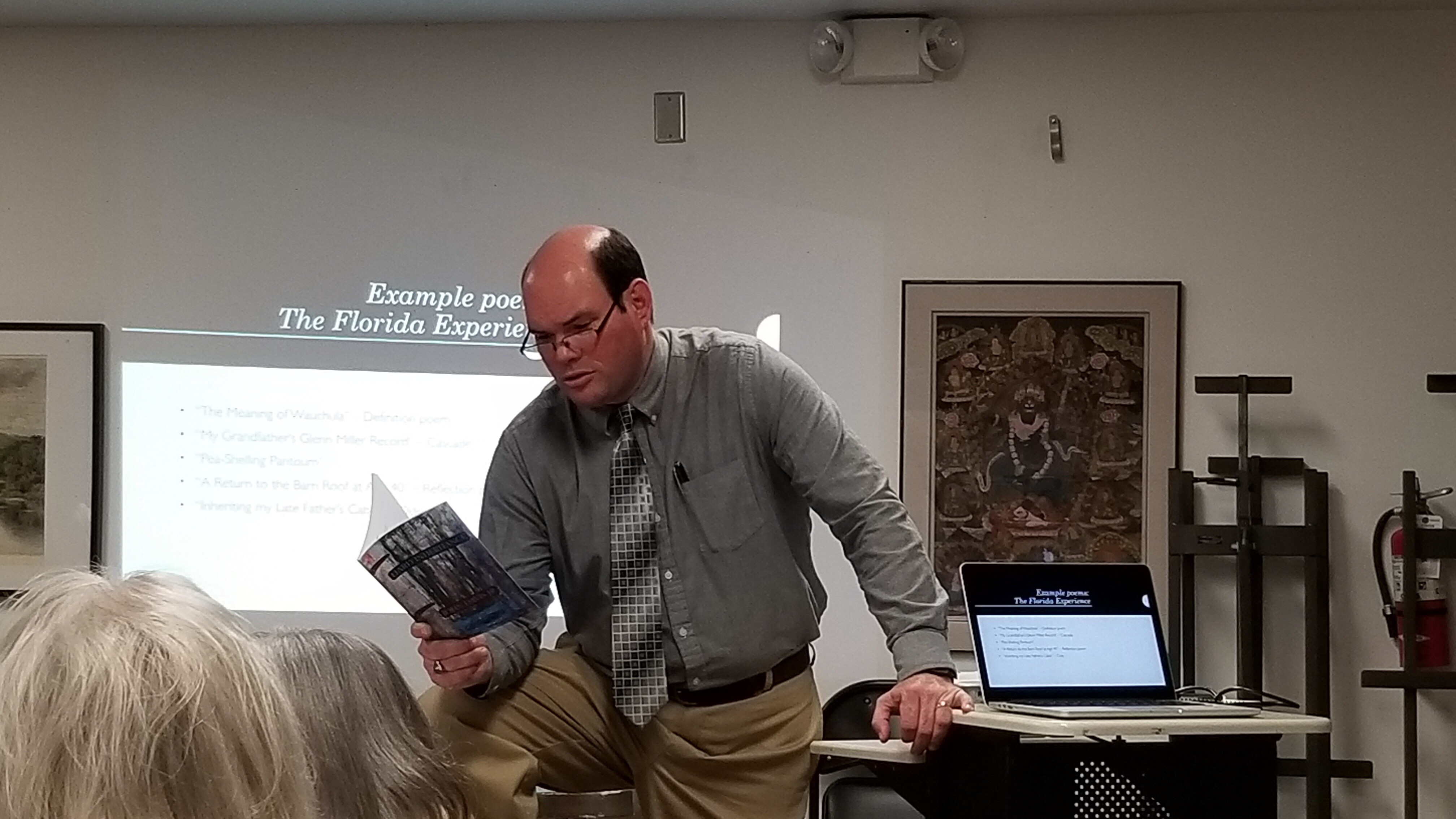
For about six months or so now, I’ve been volunteering for a local arts organization. I’ve provided workshops, seminars, and even the occasional reading. Here’s what I’ve learned: The most rewarding part of being a poet is passing on the joy of writing to others.

Sure, that sounds trite, but it’s true. And it’s not that I hadn’t grasped this notion previously. I mean, I’m a teacher after all. But here’s the thing — teaching adults who truly want to learn the craft is a world apart from teaching English courses for a paycheck.

I get to have a good time discussing poetry and how to make it, and newbies find out a few tricks and techniques that perhaps they hadn’t considered. My favorite is the generative workshop, where we use various prompts to craft the beginnings of new work. That silent hum of concentrated creativity fills the room, and you can tell that vivid things are happening in everyone’s mental theater. It’s almost (cliche warning) magical.

And while I love my day job and all it provides, for sheer joy of teaching, it’s hard to beat the volunteer space. No grades, no homework, just genuine fun with words. I’ve also noticed that giving back a little something to the craft that has meant so much to me restores my passion for the written word. Watching people grasp the potential of poems reminds me why I do this work, and believe me, it is work. But it’s a labor of love, certainly.

life, poetry, writers, writing

Bass fishing and Poetry

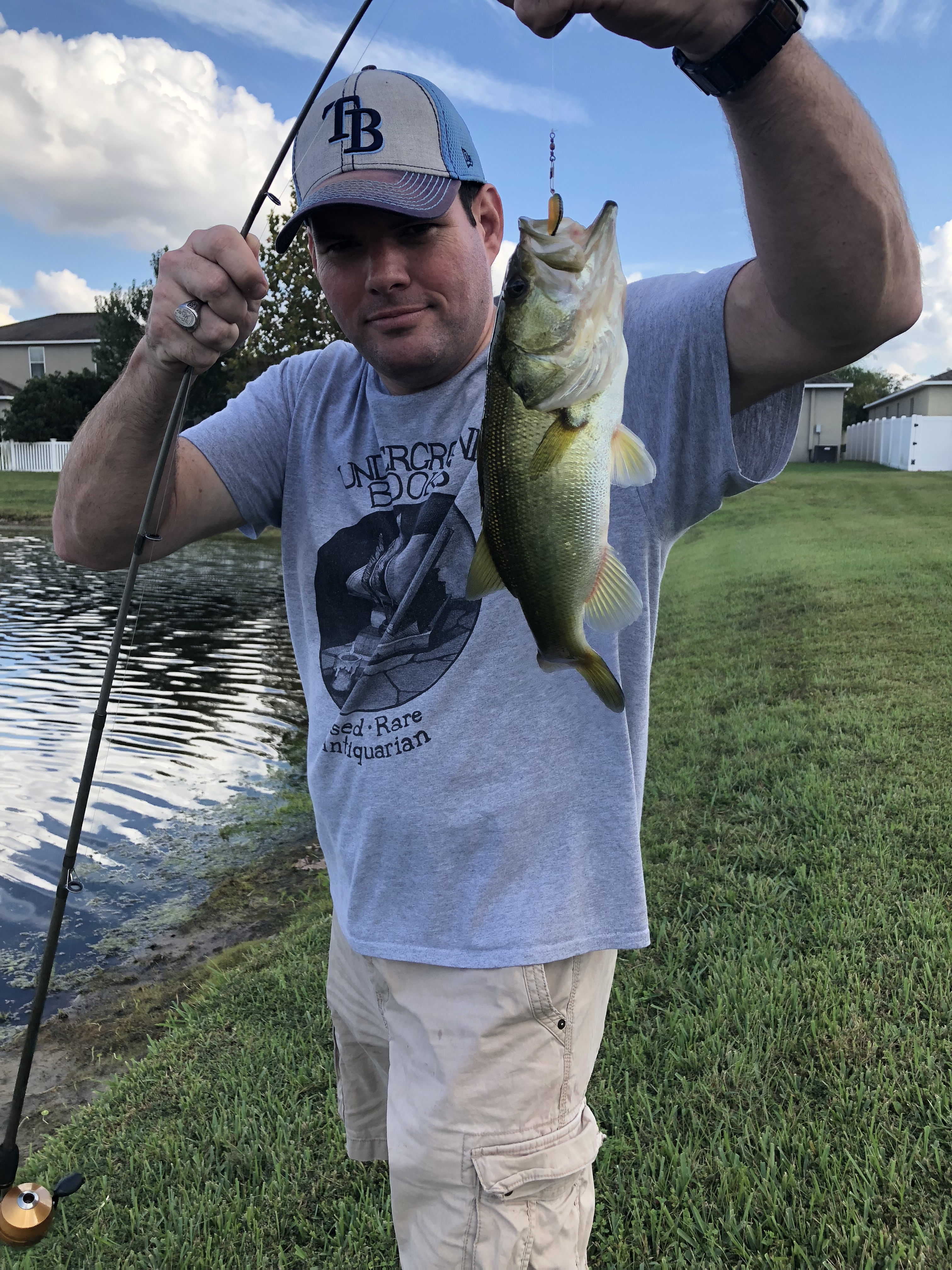
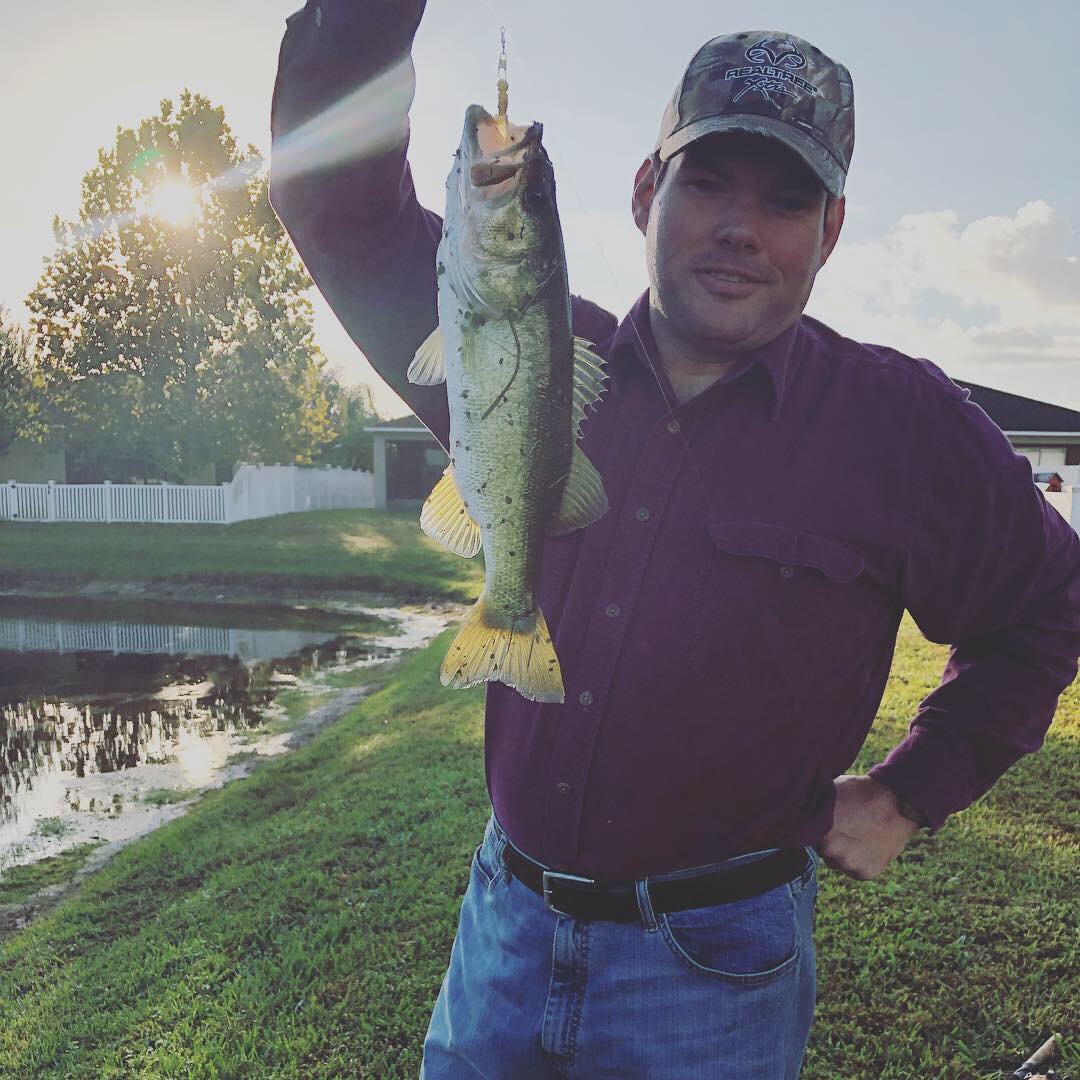
My sons and I catch a lot of bass. There’s a pond behind our home where we catch them (sometimes over and over again) and then release them. We’ve used lures, live bait, and a whole host of other options. We’ve also caught fish in all four seasons. When the cold weather comes, we just fish deeper to reach the warmer waters where these freshwater species tend to hang out. Welcome to Florida.

But one thing I’ve noticed is true for both poetry writing and bass fishing: The moment you stop trying so hard is the minute success visits. It never fails — if I’m “concentrating” on reeling in a monstrous fish, my line will stay slack for hours at a time. When I’m lost in a daydream about something totally unrelated to fishing, however, suddenly I’ve got more bites and tugs than I could ask for. The same is true for poetic inspiration; if I’m trying to “force it” too much (or be too “literary”), you can bet that future poems will stay safely in the cattails of my mind, away from any lure I may be jiggling to get them to emerge. But if I just go about my ordinary day-to-day tasks, epiphanies will come.

This observation is common among writers I know. When they go to literary retreats, workshops, conferences, and similar venues, they find themselves lacking inspiration, partially because they’re looking for it too hard. Only when we allow ourselves to relax, wander, and flow will we be visited by first lines or great ideas. There’s plenty of research to back this up too: Daniel Pink and other scholars have long known that creativity is maximized by mental ease and comfort rather than stress.

So, what’s the message? In writing as in fishing, let the good things come to you. The biggest bass and the most impressive poems tend to surface when we kick back, watch the clouds, and allow nature to take its course.