life, poetry, teaching, Uncategorized, writing

What Robots and AI Can’t Replace

Everywhere we look, there are mentions of artificial intelligence (AI), robotics, and their implications for the future. News stories and social media feeds predict a heyday of ease and comfort as we assign more and more mundane tasks to technology (the art that accompanies this post was created by AI). In contrast, we’re also given the dark prophecies of Asimov and Bradbury come to life: When our computerized creations become so sentient that they can resent us, how will we control them?

More realistically, however, people are rightfully concerned about their jobs: Cashiers are already becoming obsolete, data entry by remote workers is becoming a relic, and countless other positions previously filled by people are slated to go extinct in the next few years. How, then, do we reckon with this revolution?

As the father of two older boys, one in college and one about to go there, I’m relieved that both of them have chosen irreplaceably human endeavors for their futures: One is in theatre, and the other plans to pursue architecture. These are professions that AI will never be able to fully usurp. After all, theatre is among the humanities, a select group of art forms and practices marked by their innate reliance upon authentic emotion and genuine experience. Our hamartia, the human condition, is ironically our greatest strength when it comes to livelihoods that are AI-proof. Architecture will be helped by AI, certainly, but to design and create livable spaces that consider the needs of complex people, we need human minds and hearts. Ask AI to design a mid-20th Century ranch house like the one on The Brady Bunch, and you’ll probably get a reasonable facsimile. But ask AI for a blueprint of a home that considers the individual needs of 21st Century family members, and confusion results — the blinking cursor begins to smoke.

As a teacher, I’ve already encountered the challenge of getting students to write rather than use ChatGPT or some similar product. For now, AI-generated writing is fairly easy to spot: Its reliance upon certain words and phrases, its preference for sterile-sounding language, and its occasional errors about obvious matters all make it detectable, even without running an essay or paper through an online checker or two. Combine those facts with a vast divergence from a student’s in-class writings, and AI use becomes obvious. But we know that technology consistently advances, and as time elapses, the fakes will become harder to spot, especially as classrooms become more tech-dependent. This is why some teachers and professors have gone back to old-school blue books, those lined-paper pamphlets of an earlier era, for class writing. And while I see the nostalgic appeal and hard-nosed devotion to justice driving such a practice, I also see its inherent temporary nature. Returning to number two pencils and canary yellow legal pads may get us by for a while, but students, parents, and clients of the new age won’t tolerate this Luddite approach for long. We need to find the middle ground between total AI reliance and achieved, owned learning quickly. Compromises like “You may use an AI editor for the writing you have authored independently in class” serve as a good start. This technique prepares students for the world to come without damaging their acquisition of knowledge. Further, they learn by seeing the corrections made by QuillBot, Grammarly, and other language-fixers. And if these products make a mistake as they sometimes do, so much the better. That’s where the real learning begins — technology has never been and will never be infallible, and the sooner students grasp this truth by experience, the better off they will be.

As a poet, I’m not worried about AI. I’ve seen the replica-poems it produces, and while some sound good on the surface, a closer look reveals that same artificial shimmer visible in the art that I’ve used above. Something’s missing; there’s a bad aftertaste like that of saccharine diet sodas from the seventies. An astute reader can tell that the cane sugar of the human touch is missing from this thing’s formula, whatever it may be. The “experiential resonance” — the sense that an event or product is organic — just isn’t there. Call it instinct if you will, but a reasonable human being can tell the difference between the things we do and make and the contrived, data-driven simulacra of thought-approximating algorithms. An initial, superficial “Oh, that’s lovely!” soon becomes an “Oh, this isn’t what I thought it was.” And that kind of deflating disappointment will toll the end of our infatuation with AI. Like any other once-novel discovery, this, too, will lose its luster.

So, what’s the big picture? The AI “scare” is similar to that of Y2K: Yes, we should consider it, but no, it isn’t Armageddon. As we prepare and adapt, we will add it to our toolboxes, become indifferent to it, and move on. Just as we healed the hole in the ozone layer, just as we eliminated acid rain, and just as we defeated diseases of long ago, we will coexist with this latest change until it no longer seems intriguing or threatening. We could easily theorize a future dystopia like those seen in science fiction, but it’s more likely that balance will prevail as it always has. For parents, teachers, and creators, AI is nothing to obsess over. Put simply, it’s just another thing. And if history has taught us anything, it’s that things are perishable.

life, poetry, publishing, teaching, Uncategorized, writers, writing

Going Old-School: A Return to Snail Mail

As the age of screens and endlessly blinking text continues, there is a need for a return to the gracious, studious, and considerate world of letters. That’s right, the kind that come in your physical mailbox. You get to hold in your hand an artifact — a piece of living history sent to you by someone who cared enough to share with you something about their life. That’s why I’ve abandoned Substack altogether in favor of a new, better, more human alternative: StampFans.

Using this service, I will be able to send you, my subscriber, some rich insights on poetic life. Each month, you will receive a letter that contains one of my poems, an explanation of its inspiration, and some details about its actual creation (number of drafts, materials used, etc.). I’ll also be including announcements about upcoming publications, appearances, workshops, and similar engagements. As a teacher, I’d love to receive something like this from my favorite poets. I’d use it in my classroom regularly, and I hope other educators feel the same way.

While I’d hoped that my presence on Substack would be as successful and meaningful as my time on WordPress has been, I’ve learned the hard way that the audience for poetry is much more receptive to personal, physical communication than it is to just another online presence. With this in mind, please subscribe to my StampFans so that you too can receive good news, good reading, and something more uplifting than junk mail. I promise that your modest investment will be richly rewarded. I eagerly await your subscription, and I can hardly wait to share this window into my work with all my WordPress family! Thank you in advance for your support of Metacreativity: The Process Behind the Poetry .

life, poetry, teaching, writers, writing

Keeping Down Appearances

Recently, while I was at a month-long literary function, I had a gentleman approach me after I’d read my work one evening. He bashfully said, “Don’t take this the wrong way, but you don’t present as a poet. No one would ever guess that you write poetry.” By this, he meant that I don’t look like the poet-type, which in his mind included “nonstandard” clothing, diverse choices regarding hairstyle, piercings, tattoos, and other hackneyed hallmarks of eccentric artists. He also probably meant that I don’t sound like a modern poet, given my native Floridian dialect, one which people often mistake for an accent found elsewhere in the South (I’ve heard guesses ranging from Georgia/Alabama to Texas; it’s always fun).

He went on to compliment my work, praise my reading, and buy my most recent book, all of which I appreciated. But his other words stuck with me; what (if anything) should I be doing to brand myself better as a poet? Would such a choice put my audience more at ease with me? Should I adapt to the common appearance code expected from literary individuals? After allowing these inquiries to rest a while in the recesses of my brain, I came to a conclusion.

In an age consumed by ideas of identity and persona, I choose to remain the most all-encompassing version of myself. Yes, I’m a poet, but I also “wear the hats” of husband, father, teacher, pretty fair gardener, and many, many other roles. Not all of these need to be on display all the time to assure the general public that what they see is what they get. The literary community has long prided itself on embracing differences; one wonders if this attitude includes someone who dresses like a banker, talks (a little) like a cowboy, and is built like a manual laborer. Is there room at the table for one who chooses to look more like Billy Collins and less like Post Malone?

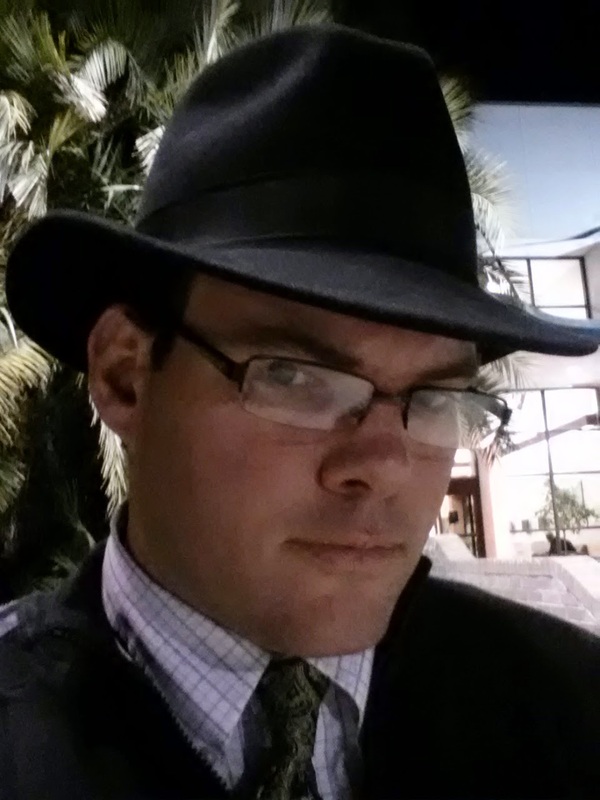
My “average” appearance for readings and events.

For all its good intentions, the writerly crowd still struggles with a one-sided view of diversity. Many patrons of the arts still look to skin hue, pronoun choice, and other superficial indicators to determine if someone meets their criteria for “creative.” There is some fun in defying these expectations, but there is also concern that we remain in an era where, despite hue and cry for “acceptance,” some members of a reading audience determine works’ worth by the author’s aesthetic choices.

As an educator, I have a piece of advice I offer to high school students who are attempting to express their individuality through fashion choices, body changes, and attention-getting behaviors: “Nonconformity is the greatest conformity here. Yes, you’re different…just like everybody else.” This often grates on the sensitivities of adolescents who feel certain they’ve struck true originality gold, but it remains true. Altering the cover of your book isn’t going to edit its contents. I don’t plan to change mine anytime soon.

life, poetry, publishing, teaching, Uncategorized, writers, writing

Where Do You Get Your Ideas?

The title of this post is a question I often receive. Whether it’s in a writing workshop, a traditional classroom, or simply in casual conversation, people regularly inquire about the origin of creative ideas. Second only to this question is, “What do I write about if I’m not inspired?” Today’s post is an effort to answer both of these common quandaries with a single practice: Socratic Journaling.

Anyone who has spent a moment or two in school knows about the Socratic Method — that time-honored practice of invoking thought through questioning. First mastered by its namesake, Socrates, the method has served educators well over the years. And even today, we can use it to generate great ideas and to “get unstuck” in creative writing using a technique I pioneered over the course of 15 years.

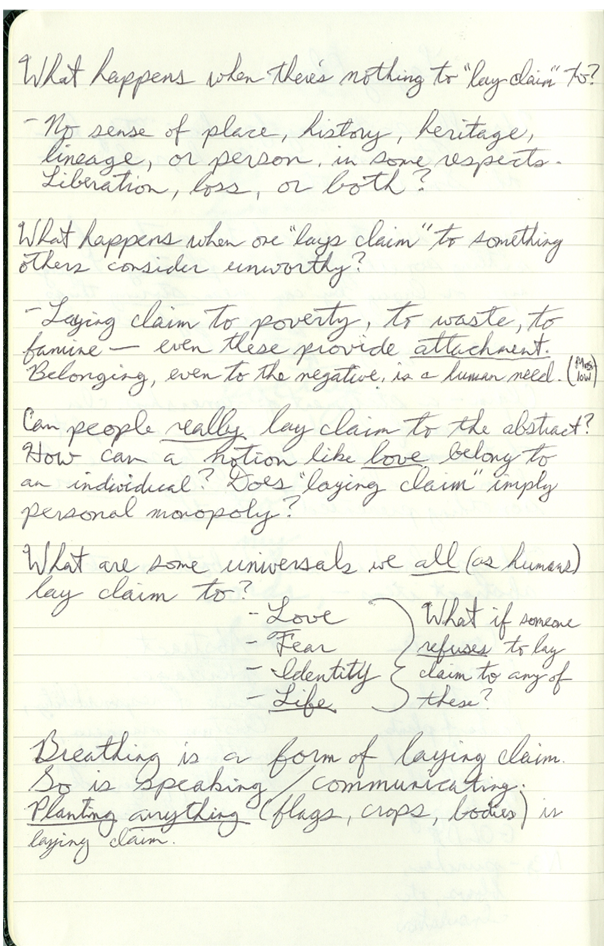
Socratic Journaling works like this: A writer begins with a “big” question (ideally, this should be one that is fairly philosophical or abstract) and answers it swiftly, almost without thinking. That fast answer then leads to another question, which leads to another answer that also then gets questioned. This process repeats until the writer finds within their questions and answers a subject to write about. See the example of Socratic Journaling below to get a better idea of what this process looks like:

A sample of my own Socratic Journaling that eventually led to a poem that was published.

In the sample above, I examined the nature of a simple phrase I heard growing up: “Laying Claim.” I thought the expression was odd, and so I gave it a thorough analysis through the wringer of Socratic Journaling. The result was a poem that integrated many of these initial wonderings and supplemented them with strong imagery. Occasionally, the act of asking and answering and asking repeatedly yields something different:

A response to a curiosity I had about sash weights in old farmhouse windows. This, too, became a longer poem later.

Drawings, scraps of curious artifacts, and other non-text items can often wind up in the pages of a good Socratic Journal. Historical notes, scientific questions, and even the logging of sensory impressions can serve as good kindling for the fire of creativity. By asking and answering sequentially, we break the often self-imposed limitations on our inspiration. This practice represents a kind of liberation, an unmooring from the safe harbor of pragmatism, and a break from mundane normalcy.

The great American poet Theodore Roethke once advised young poets to “…live in a state of constant astonishment.” Socratic Journaling aids in this quest for seeing wonder in everyday life. As the holidays arrive, what better gift could someone give than inspiration? I have collected and published some of the biggest “starter questions” for creatives of all sorts in the workbook pictured above. To give the thinker in your life a real present, spend $10 and watch their inspiration thrive as they encounter The Socratic Journal. Not only will you be providing the recipient hours of creative engagement, you’ll also be helping out a poet and educator who has some holiday bills of his own to pay.

Obviously, I’m a big believer in Socratic Journaling, not just because it has worked for me as a creative over the years, but because it has served so many of my students so well. When young writers especially feel mental drought, this practice stimulates them back into productivity. And if it works for the young, it can work for the…shall we say, mature? Give this a try. You won’t regret it. Thinking more deeply and more creatively is an incredibly rewarding experience, and The Socratic Journal can get you there. Click the link below to get your copy:

THE SOCRATIC JOURNAL by JOHN DAVIS JR.

life, teaching, writing

The Literary Scoutmaster

Photo by Bryce Carithers on Pexels.com

When I was the age of my current students, I was busy finishing up the requirements for Eagle Scout. I genuinely enjoyed scouting, mostly because the things I learned there were hands-on, useful, and seemed to have real-life application. I enjoyed it so much, in fact, that one of my very first jobs was camp counselor, teaching younger boys how to safely and accurately shoot both rifles and shotguns. Scouting was good to me, and it gave me skills I use and teach even now when I take my sons camping, fishing, skeet shooting, hiking, or kayaking, among other activities.

Admittedly, the Boy Scouts of America is not what it used to be. Over the years, the organization has made a series of egregious missteps that have caused me not to place my sons in a troop, and I’ve largely cut all ties with the BSA. But this isn’t a political post, nor is it one intended to defend or prosecute “Scouting USA” as they now prefer to be called. Instead, I’d like to reflect upon how my present teaching experience embodies what was valuable within a former version of scouting: Practical guidance and retainable learning through meaningful relationships and memorable experiences.

I teach at an all-boys high school. Every day, I get to walk into my classroom and impart subject matter I love to young men who are eager to start the first chapters of their “real lives” beyond secondary education. Like tying a square knot or administering first aid, the skills I provide (reading a text more deeply, writing a clear sentence, etc.) are ones that will follow my pupils the rest of their lives if they’re wise enough to grasp this opportunity.

And I do all I can to ensure that my subject matter is imparted in a tangible, relatable way. We don’t just sit in rows and uniformly parrot back the rules of reading and writing; we investigate texts and tear sentences apart to see what makes them work (or not). I choose material that the boys will find engaging so as not to lose their focus. I show them that poetry, an oft-dreaded element of high school English, can be cool. They earn metaphorical “merit badges” in matters like fiction, nonfiction, composition, rhetoric, and critical analysis. And throughout all this, I lean into their experiences.

They write about their lives, their parents, their worries, and their friends. They give presentations about how they share traits with certain characters we’ve encountered. They read paragraphs with highlighters like navigators would read maps with compasses. And they build essays and compositions as a camper might carefully structure his log-cabin fire lay: each piece discerningly placed atop the other until the warmth and light reach optimal climax.

These boys remind me of a better chapter and give me hope for our cultural future. While all around us, young men give in to so many negative influences, I prefer to think that my small part in shaping my students will in some way brighten tomorrow through integrity and knowledge. I know that some of them will make bad choices just as certain scouts in my troop did. But if a small-town poet can reach into the minds of enough youth with lingering lessons about words and ideas, I will have succeeded. When my students enter the world beyond our campus, I know they will have heeded, even adopted, a certain old motto that remains in my heart: Be Prepared.

life, teaching, writing

COVID-19 Finally Hits Home

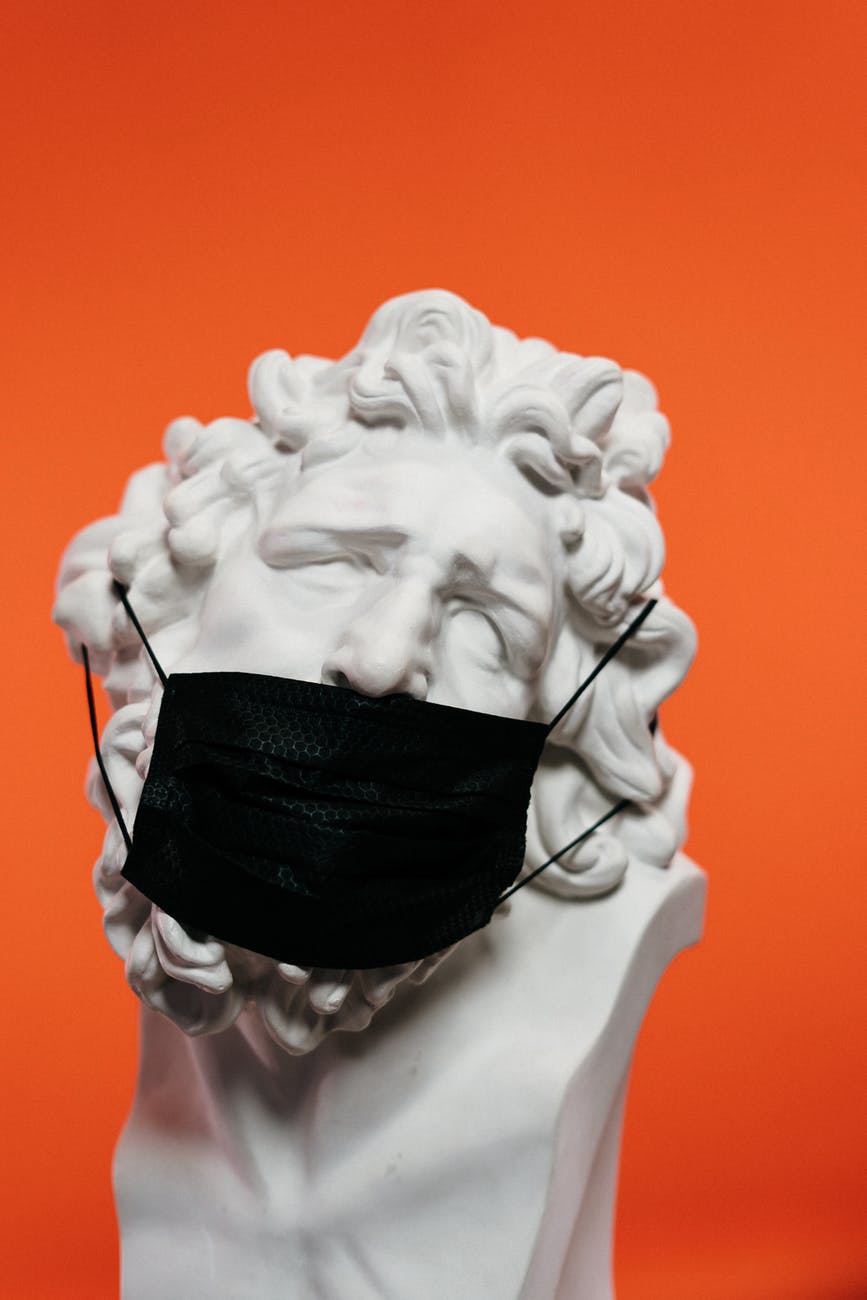
Photo by cottonbro on Pexels.com

As the rest of the country celebrates the “end in sight” for coronavirus, my family gets to encounter a new challenge from it. Earlier this month, on the fifth to be exact (my late stepdad’s birthday, as luck would have it), I was informed that my university was laying me off with no prospective date for rehire or return. After four and a half years of teaching, writing, and positively impacting the lives of adult learners, a virus ended my job. The explanation: Student enrollment declined, admissions decreased, and retention was lower because of COVID-19. Cutbacks had to be made, and I was one of them. Other faculty members had rank and seniority, so here we are. One chapter abruptly ended.

If you’ve learned anything from my previous posts, however, it’s probably this: I am uniquely blessed with an ability to bounce back from obstacles in darn-near record time. The same day my layoff took effect, I received a phone call from a private school near my home. The principal requested that I come teach for them in the 2021-2022 school year, and I gladly accepted. The terms were good, and the environment is ideal for my unique brand of literary pedagogy. Granted, I’ll have a few months to “struggle” before my new gig takes effect, but there is hope waiting at the end of summer.

My situation is far better than some others. There are people who have no idea when or if they’ll return to work, and I’m sensitive to that. In the meantime, though, I’m devoting myself to grand plans for the school year yet to come. Part of this grand plan involves getting my students certain supplies I’d like them to have in the year ahead. Here is where you come in, dear reader:

I’m going to be teaching high school English to roughly 85 students. As part of this assignment, I’d like each of my students to have a Rocketbook reusable notebook. For those unfamiliar, a Rocketbook allows the user to simply wipe off previous writings after they’ve been used, submitted, or captured via phone or tablet. What does this mean? A single Rocketbook will last my students all year and enable us to do project work, interactive literature circles, and a wide variety of other tasks that plain paper and pen just won’t. Students can even submit their handwritten items to different email inboxes, making grading and organization a breeze.

How can you help with this endeavor? I’ve set up a fundraiser for this initiative here: https://adoptaclassroom.force.com/donors/s/designation/a1m0y000003oycDAAQ/john-davis

Any assistance that you can provide is much, much appreciated. Even if COVID-19 threw me a curveball, I intend to throw one right back at it by resuming excellent instruction as soon as possible. Your contribution will allow my kids to thrive and grow in the brighter days ahead. Thanks for reading and thanks for giving!

life, poetry, publishing, teaching, Uncategorized, writers, writing

How We Begin Making a Better Year — NOW

Greeting 2021 before it Arrives…Photo by Tairon Fernandez on Pexels.com

What can we do to ensure that 2021 isn’t just a 2020 redux? There are plenty of actions that have nothing at all to do with masks, social distance, or near-obsessive handwashing. Supporting those who create and facilitate culture and helping nonprofits that have suffered are just a couple of ways we can begin the return to something like normal.

Small presses and their authors have been profoundly and negatively affected by the COVID pandemic. Cancelled author events, fewer sales opportunities, and closed venues have all created major deficits for those who keep original thought alive and well. Yes, even your loyal host has been impacted. It isn’t often I use my website and blog for overt sales messages, but you know the old saying about desperate times…

https://negativecapability.storenvy.com/products/10446729-middle-class-american-proverb

A purchase or two of this book (visit the link above) will help begin the restoration. It may seem like a strange bit of logic to prescribe buying poetry to overcome a crisis like this one, but here’s the truth: A moment spent reading poetry is a moment spent without present worries. Poetry transports us to a different place and time mentally. It can allow us to breathe air unencumbered by danger, visit maskless friends and neighbors, and feel genuinely connected in ways we’ve so sorely missed. If you’re seeking that connectedness, poetry (and especially THIS poetry) is the answer.

Next, consider year-end giving to a worthy nonprofit. Arts nonprofits have faced an especially horrible setback. The small cultural center where I give workshops has had to reduce programming and opportunities while moving most events online. While this isn’t terribly different than businesses and schools “going virtual,” moving to the online platform completely negated the famous hands-on approach that Firehouse Cultural Arts Center classes are famous for. As we begin to mitigate the damage of 2020, I would ask that you give generously to this cause. The link to do so is below:

Please give here and help out an organization vital to our area. Donations are tax deductible, as FCC is a 501c(3) charity.

If we are to do better and see a light at the end of this terrible tunnel, we must begin by supporting those causes and ideas that would ordinarily receive our favor. Helping writers, small presses, and arts nonprofits is a great way to start overcoming a bleak period.

Victory hinges on so many things: precautions, herd immunity, and even an eventual cure. But if we desire to regain that missing piece of shared human experience, we should prove that with actions: Contributing to the humanities rolls out the welcome mat to a new, brighter, and healthier era. Please purchase and give today. A new year awaits.

life, poetry, teaching, writing

Personas I’ve Known, Part Two: The Brooding Academic

If you read my post from earlier this week, you know that my recent writing of persona poetry has caused me to think more closely about some of the identities I’ve adopted over the years. Today I’m taking a look at another one — the stereotypical professor.

Fancy degrees in hand; time to stonily condescend to some college kids.

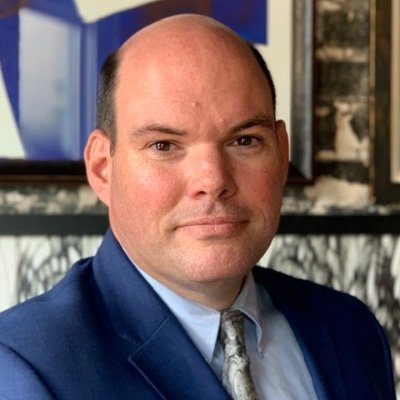
There was a time in my academic career that I believed I had to fit a certain mold (and a pretty old one at that): the sweater-wearing, overtly studious, and incredibly stodgy pedagogue. You know the type — that old, bald white guy who has breathed too deeply the rarefied air of higher education too long and is now utterly disconnected from average reality. Let’s call him Professor Highenmighty.

A far cry from “Bubba” of last post’s fame, this guy was so deeply impressed by his own credentials that he conducted class as if he were Socrates and Jesus rolled into one. Listen up, mere peons, for the fount of all knowledge is about to spew forth. Have you not noticed my scholarly looking attire? Have you not observed my air of sophisticated erudition? You should.

Granted, I’d done pretty well for myself. Not everyone from my humble beginnings secures two graduate-level degrees, publishes books of poetry, or wins hoity-toity literary awards. Still, I had no real justification for becoming Professor Highenmighty — I had just fulfilled the potential that people nearest me knew I had all along, and what’s more, I had done so later than I should have. Nonetheless, here I was — Mister Intellectual, ready to look indifferently down my nose at lesser mortals, and that meant just about everybody in my usual sphere. What an ass.

What got rid of Professor Highenmighty? As is usually the case, an encounter with someone (or several someones) smarter. Comeuppance is usually the cure for excessive ego, and this time was no different:

My day job was teaching impressively gifted kids in high school the various facets of creative writing. These students were smarter, more talented, and more motivated than I ever could have been at their age. I was stunned by their intelligence, and their regular demonstrations of innovation and originality were a reminder of the shiftless sloth I’d been. When I was their age, I had specialized in invisibility. In contrast, they put their brilliance on display daily, secure in their giftedness and their place as young artists. Some of their poise was certainly artificial, but still, their native ability was undeniable. Outsmarted by teenagers, Professor Highenmighty quickly became a thing of the past. Humility, thy name is youth.

If this were a fable or a folk tale, I suppose a moral or a lesson would go here at the end. Like all accomplishments, degrees gather dust. After a while, they’re taken for granted, and it’s perfectly possible to become an educated idiot. Maya Angelou is quoted as having said, “Nobody cares how much you know until they know how much you care.” I think that’s a good line to take away from this post. As I prepare for the next stage in my career and learning, I’ll do my best to keep Professor Highenmighty extinct. After all, there’s always somebody smarter.

life, poetry, teaching, Uncategorized, writing

Personas I’ve Known: Becoming “Bubba”

Lately, I’ve been writing a lot of persona poetry — that magical brand of literary method acting wherein I adopt the voice and features of another person (or animal, or tree, or whatever) and write poems from their perspectives. It’s a lot of fun, wearing a mask of sorts, and I can see why my oldest son so badly wants to be a theater major in college.

But this walking about in others’ skin has had another effect on me. It has caused me to reflect upon times in my life where I’ve decided on identities that were, shall we say, less than authentic. As an undergraduate, I occupied the “poor, dumb country boy” role quite well. This persona gave my professors the impression I was a small-town hick that couldn’t possibly pass their classes. In some cases, it gave me an easy out when a class required too much effort on my part: “Dr. Willard, I’m sorry, but I’m just a poor, dumb country boy, and I don’t get a thing about physical science. Can I just get my D and go?” Other times, I loved shocking professors who’d jumped to conclusions. Sometimes I made A’s, and other times I’d posit something into class discussion that was unexpectedly profound or showed great insight. Their facial expressions were dumbstruck and priceless, and this was part of the thrill.

Occasionally, it’s good to be “Bubba.”

My parents and grandparents would have been horrified by this acting on my part; they’d reared me to be genteel, cultured, refined, and above all, honest. I’d had a great deal of training despite my rural roots, from piano and classical guitar lessons to extensive travel opportunities. I knew all too well which fork to use at formal dinners and how to comport myself in a variety of diverse social circumstances. So for me to effect this ill-bred image was anathema to my upbringing. Like so many kids in college, I was finding myself by being anyone but myself. “Bubba” had it better and easier — nobody expected him to do much, and when he did, he was more heavily rewarded than his peers whose intelligence was taken for granted.

The habit of playing the poor, dumb country boy followed me into my young professional life, though. He became a scapegoat for my errors (or early adulthood laziness) in much the same way that my imaginary friends in childhood had. Couldn’t find the location of the press conference? “Bubba” to the rescue — he (I) was just too ignorant to locate it. Didn’t hand in a lesson plan? Well, in Hardup County, we never knew nothin’ bout no lesson plans or gradebooks. And so forth. I became so adept at this performance that slowly, almost unnoticeably, my persona was taking over. I began to chew tobacco, thicken my dialect, and walk with a gait that could only be described as an aimless amble. “Bubba” was consuming me.

This persona worked fairly well until I earned too many degrees. People generally stop believing you’re a backwater hillbilly once you’ve acquired a certain level of education. It’s hard to get labeled a redneck when multiple graduate-level diplomas are hanging on the wall behind you. So I’ve had to retire him, especially now, as I begin applying to doctoral programs. Sorry, Bubba, you’ll have to be put out to pasture, to use one of your colloquialisms. Thanks for your service, but like an outgrown security blanket, you need to be packed up. I’m closing the lid on the trunk of my personal history, and hopefully the stale cedar air will be too much for you. It’s time to live earnestly.