life, publishing, writers, writing

My Grandmother’s Upcoming Birthday: A Reflection

We always picked on my grandmother about her birthday falling on the day after Halloween. One year, she got a leftover witch cake from the Publix bakery to help her celebrate. Of course, she also claimed that All Saints Day was fitting and appropriate for her birthday — “I’m a saint, after all,” she would say, winking at whomever she was talking to.

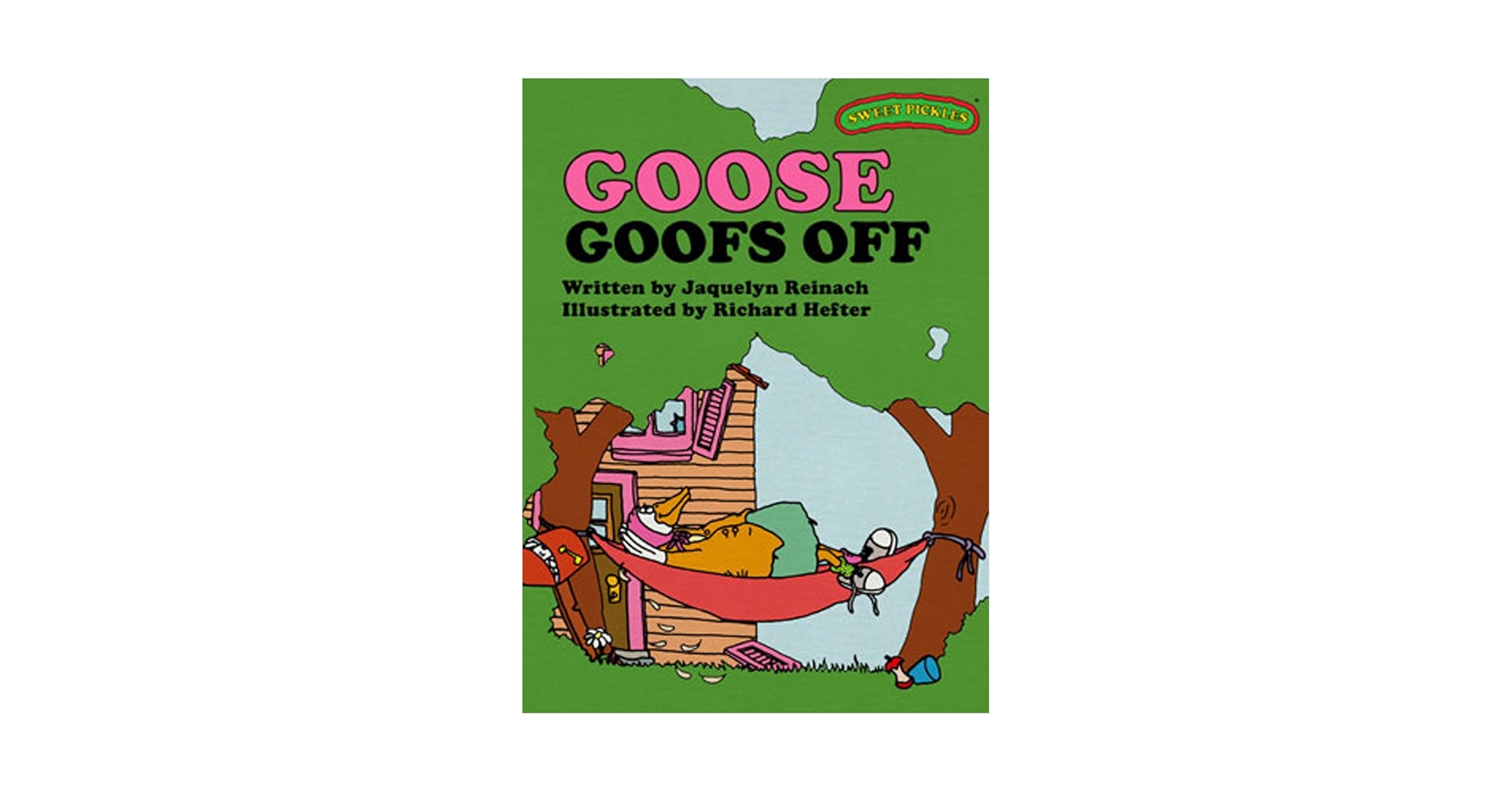
My grandmother was one of many family members who introduced me to books and a love of reading at an early age. Every day at my appointed toddler nap time, she would read me the same Sweet Pickles book: Goose Goofs Off. It was about a goose (shocking, right?) who decided to put off doing all her chores. The procrastinating protagonist’s classic line was: “I’m taking it easy today; I’ll do it tomorrow.” Her laziness creates havoc in the story, causing a mailman to slip on ice cream among other mishaps. But in the end, Goose’s neighbors are kind to her and allow her to join their party, despite her sloppy work ethic.

How my poor grandmother did not tire of this story I’ll never know. But the daily reading of it became ritual, like church on Sundays or bath-time before bedtime. And her reading was expressive, engaging, and funny — a happy preamble for midday sleep. Occasionally, she might read me other stories during parts of the day that were unoccupied by Play-Doh art, Bob Barker’s “The Price is Right” (which I called “the come-on-down show”), or playing outside. But Goose? She was a sacred landmark in our days at home.

In 2011, my grandmother passed away, but her legacy of loving literature lives on. This Saturday, the day after Halloween, on what would have been my grandmother’s 104th birthday, my middle-grades novel, Vidge Floyd and the Secret Frequencies, will be released for sale. I cannot think of a more fitting date for this book to come into the world. It will be available as a paperback, in hardcover, and as an ebook (a concept my grandmother would have mistrusted at first, loving traditional books as she did). In fact, you can preorder the Kindle version of the ebook here: Vidge Floyd and the Secret Frequencies. Honestly, though, I think my grandmother would like for you to wait on the “real” book — one that can go in your bookshelf or on your nightstand. And who knows? Maybe this fun fiction debut will wind up becoming a favorite of a young reader in your family. She’d like that, too.
life, poetry, Uncategorized, writing

What I Write When I Don’t Write Poems

Back-porch scribblings while looking across the pond.

Sometimes people ask me, ”Why don’t you write fiction or nonfiction?” My answer to them is, ”I do; it’s just not my first love or my calling.” I sometimes begin with prose before arriving at a poem. Today was one of those days. Sitting on my back porch with a yellow legal pad in my lap and a cup of coffee nearby, I began writing something, anything, to prime the mental pump. Gym-goers, consider this like the cardio before the weight training. As I cursived out a few initial throw-away words, the garbage truck pulled up out front, its brakes emitting that high, industrial screech that precedes a brief stop. This quick encounter prompted the following to appear on my notepad:

The sound of our neighborhood garbage truck takes me back to Fort Meade, circa 1986, when garbagemen (yes, that’s what we called them) would leap from the backs of slow-moving, dirty white trucks and, with Herculean muscle, lift and empty our large metal trash cans into the waiting, hungry mouth of the compactor in the truck’s rear. The work was filthy and stinky, and the men who did it went home every night smelling of other people’s refuse. But the men who did it grew strong and made a decent enough living to send kids off to college so they’d never have to become “sanitation workers.”

Today, the truck extends a mighty mechanical gripper. The machine lifts, empties, and returns the dumpster, which is lifeless gray plastic. There is no poetry in this process. No clang of cans, no yelling among workers. No Clyde, no Cecil [whose names we knew because they were embroidered onto gray-blue name-strips above their breast pocket, sometimes ripped]. No quick wave before the resumption of a route. Just an ugly claw taking waste, leaving vacancy.

Ironic, I suppose, that I openly stated the lack of poetry in modern rubbish collection. Had it not been for the shiny blue truck’s arrival and the sensations that went with it, my recollection would not have been triggered. I know that Cecil and Clyde (conveniently two C names) will probably make an appearance in a future poem. I know that those noises and memories will probably appear in that poem, as well. And I know that right now, I must allow those images and ideas to rest a while before they become something else. I’ll stash away this yellow piece of paper, and some morning at 4 a.m., much to my family’s chagrin, I will revisit this small vignette, and it will take on new life in my chosen genre.

This is what a life in literature sometimes looks like: not the gleam of an award or the bustle of a book-signing, but the simplicity of a legal pad, a ballpoint pen, and a cup of coffee. A view of a pond, a quick sensory stimulation, and a ready place to process all those thoughts that arrive. This is what I write when I don’t write poems.

life, Uncategorized

The Traditional Birthday Post: What 43 Means

man sitting on red wooden chair while reading newspaper
Photo by rawpixel.com on Pexels.com

43 is not a big deal. 43 is ho-hum, I’m not 40 anymore but not old enough to get a senior coffee at McDonald’s. 43 is having risen to middle management only to find that it’s not paradise, but you need the paycheck, so, well, here you are, and at least you’re experienced enough to know what to do.

When you add the digits of 43 together, you get 7, which is supposed to be a lucky number. Also, 43 happens to be my old rural route school bus number. Being 43 means having been bald long enough not to care and actually preferring your head that way. 43 apparently means developing grays in your remaining “horseshoe,” though, and in sporadic clumps that exactly reflect the degree of stress from two sons: right side of the head = oldest, left side of the head = youngest. I’ll let you guess which gray patch is bigger.

43 means most of the people in the generations before yours are now gone from your life or are headed that way, and you better know how to handle it. Grief doesn’t get any easier, but by now you’ve had to be involved with the nuts-and-bolts of people’s passing and so you know what’s coming from a practical standpoint. It still sucks, though.

43 is wondering about the retirement fund, holding on to a final few lifelong dreams that haven’t yet been achieved, and praying that the kids get hefty scholarships for college. 43 is thinking about who you might eventually become as a grandparent, then quickly throwing that thought aside while assuring yourself you’re too young to think that way. “Isn’t there some work I need to do?” you ask.

43 is regular dentist visits, cardio, and worrying about whether diet soda causes dementia. But it’s also the place that the older generation calls “the prime of your life,” that space where you can make your biggest difference since you’ve been around long enough to gain a little wisdom, but you’re not so old that you’ve burned out.

43 means deciding whether to be “the company man” like others before you, or continuing to change employers every few years just to keep things interesting. Do they still give out gold watches for years of service? Do you even want one? Decisions, decisions…

Maybe above all else 43 means having the maturity to think about what 43 means. You’ve learned to reflect, to think about your thinking, and to be thankful for the path so far. And barring unforeseen circumstances, you’ve got a good bit of road ahead, so you might as well get busy.


life, poetry, publishing, Uncategorized, writers, writing

The Traveling Writer’s Essentials

I’ve written before about how this year will be one where I spend some time in other locales for the good of my writing (see “My Hemingway Summer” — an earlier post on this blog). When I travel even short distances for writing purposes, my brain begins making observations and connections that it typically doesn’t make during my everyday routine. For example, during residencies for University of Tampa’s MFA program, I would find deeper significance in even the tiniest of details around me. A pile of bricks I passed daily on my way to workshop became a poem. The creak in the stairs of Plant Hall wound up documented in another piece. Every minute detail seemed to come alive with literary potential.

The same thing happened when I traveled to Lisbon, Portugal in 2016 (Disquiet International Literary Program), to Amherst, Massachusetts in 2015 (Juniper Writers Institute),and to Santa Fe, New Mexico in 2013 (Glen West Writers Workshop). But all the inspiration in the world is worthless without the right tools to take advantage of it. So without further ado, here’s my list of necessities for the writer on the road:

1.) Small pocket notebook with cheap ballpoint pen: I stole this idea from one of my mentors, Peter Meinke. He has always advised poets young and old to carry something with them to record inspirations. First lines, striking images, and clever turns of phrase are just a few of the things I find myself scribbling into my small pocket notebook, and that happens more frequently when I travel.

2.) White, college-ruled legal pad and good fountain pen: When the inspiration strikes and the ideas are flowing into developed, coherent stanzas, this set of tools becomes my go-to. Whether I’m at a hotel room desk, a coffee shop, or in the middle of the woods, the old standby of writing by hand on a good, stiff pad remains an important part of my creative process. I may have mentioned it a time or two previously, but for fountain pens, I prefer Waterman Phileas models. A good ink in a unique color also helps — see Levenger.

3.) The latest copy of Poets and Writers magazineWhen the muse has cooled and I’m thinking about more logistical matters (where to submit, what contests to enter, etc.), I like to peruse the pages of P&W. Their interviews are excellent, their prompts timely, and their resources consistently useful. Maybe it’s a Luddite reflex to prefer the paper copy of the magazine to the digital version, but it’s nice to be able to annotate, highlight, and even tear out pages when needed.

4.) A traveling library of a few essentials: There are some poets whose work manages to inspire me again and again: Robert Wrigley, Rodney Jones, Claudia Emerson, Maurice Manning, Kevin Young, and C.D. Wright, to name just a few. I usually pack a few volumes of poetry I admire to look over when I’m between sessions. Sometimes I read them for leisure, and other times I’m performing serious critical analysis. Either way, they work their magic.

5.) Technology? Well, maybe just a little… Before anyone gets the idea that I scribble monastically on parchment with a quill, let me say that I like my tablet-laptop combo as much as the next guy. But I try to steer clear of the screen as much as possible when traveling for writing purposes. Only when I’m truly ready to create a final draft of something or when I feel that courtesy dictates I should check email do I return to the glowing square of distraction. In the evenings when there’s time, I might post a few social media updates just to keep friends happy. But the whole notion of getting away is, well, getting away. I don’t even use the same brand of soap I do at home when I’m on the road. I want a complete contrast with my normal life. Toward this end, I also abandon unnecessary technology use. It cuts down on procrastination, and it lets me see the world around me more organically.

So, there you have it. Five things (or groups of things) I tend to carry with me on writing adventures. I’d be interested to hear in the comments what items you just can’t live without when you attend a retreat, conference, workshop, or seminar. Do you prefer a particular brand of coffee? Is there a doodad or whatnot you superstitiously pack? Whatever it is, I wish you great travels and great writing in the future. Here’s hoping for a highway full of words to fill our pages.

bridge clouds cloudy dark clouds
Photo by Pixabay on Pexels.com

life, poetry, writers, writing

Bass fishing and Poetry

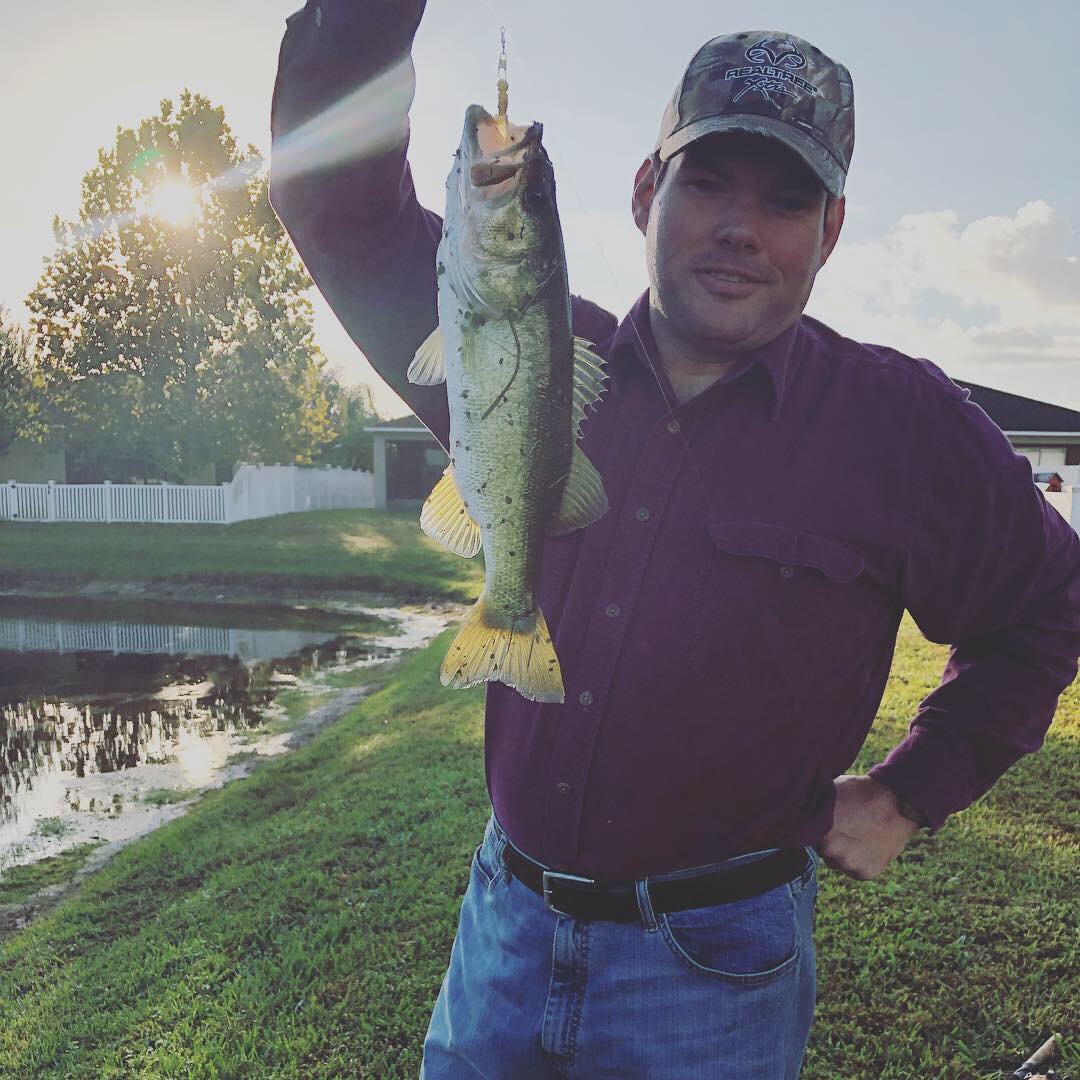
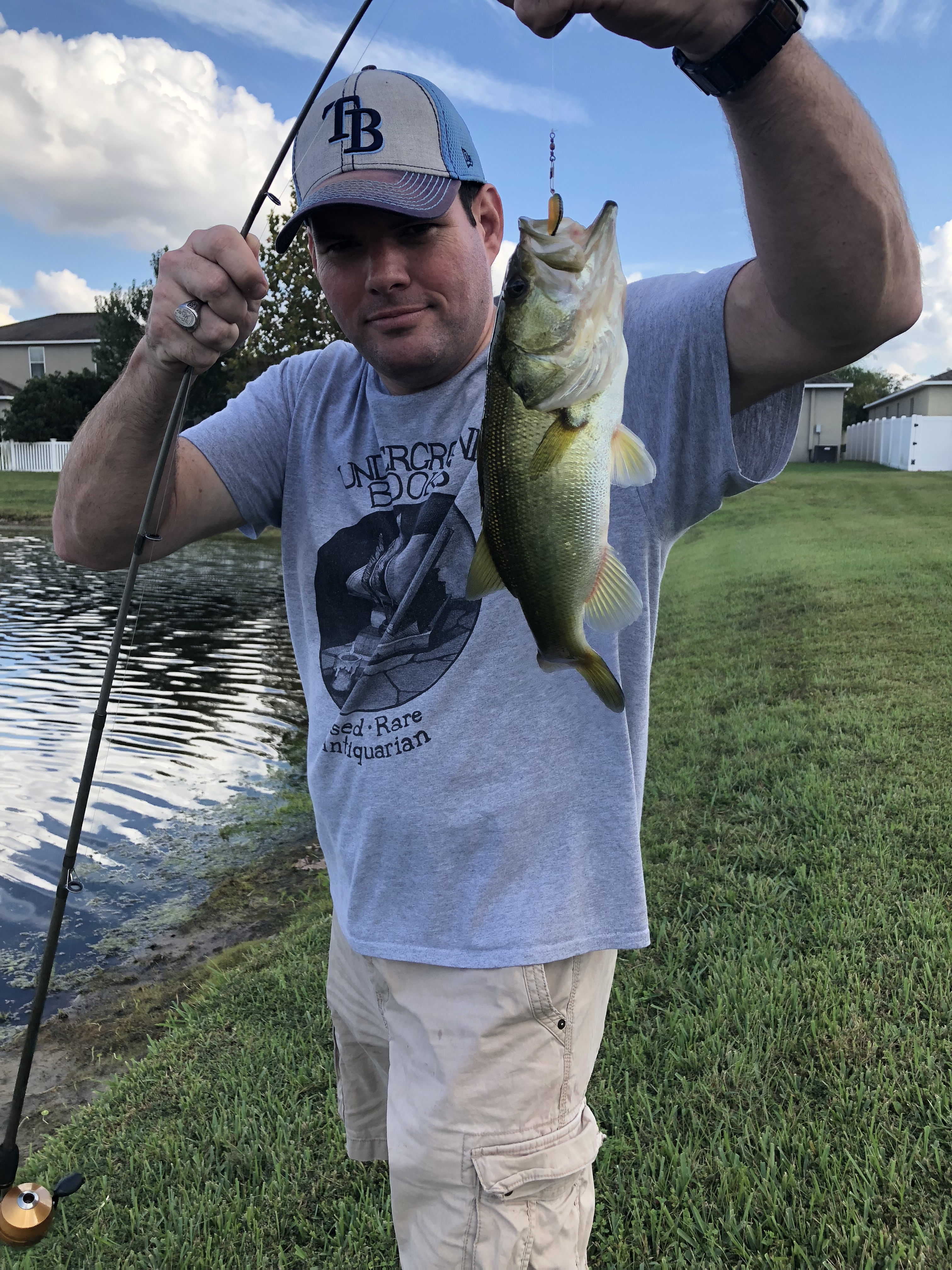
My sons and I catch a lot of bass. There’s a pond behind our home where we catch them (sometimes over and over again) and then release them. We’ve used lures, live bait, and a whole host of other options. We’ve also caught fish in all four seasons. When the cold weather comes, we just fish deeper to reach the warmer waters where these freshwater species tend to hang out. Welcome to Florida.

But one thing I’ve noticed is true for both poetry writing and bass fishing: The moment you stop trying so hard is the minute success visits. It never fails — if I’m “concentrating” on reeling in a monstrous fish, my line will stay slack for hours at a time. When I’m lost in a daydream about something totally unrelated to fishing, however, suddenly I’ve got more bites and tugs than I could ask for. The same is true for poetic inspiration; if I’m trying to “force it” too much (or be too “literary”), you can bet that future poems will stay safely in the cattails of my mind, away from any lure I may be jiggling to get them to emerge. But if I just go about my ordinary day-to-day tasks, epiphanies will come.

This observation is common among writers I know. When they go to literary retreats, workshops, conferences, and similar venues, they find themselves lacking inspiration, partially because they’re looking for it too hard. Only when we allow ourselves to relax, wander, and flow will we be visited by first lines or great ideas. There’s plenty of research to back this up too: Daniel Pink and other scholars have long known that creativity is maximized by mental ease and comfort rather than stress.

So, what’s the message? In writing as in fishing, let the good things come to you. The biggest bass and the most impressive poems tend to surface when we kick back, watch the clouds, and allow nature to take its course.

life, poetry, publishing, Uncategorized, writers, writing

National Poetry Month Concludes


2018-npm-poster-image

View at Medium.com

View at Medium.com

April has certainly been less than “the cruelest month” this year. I’ve had some pieces published, spent some time with excellent poets, and with spring has come that sense of hope and relief. Soon, my boys will be out of school, and summer will press its Floridian heat upon us, urging us to the community pool and the beach. But for now, I’d like to spend the last little bit of a great month celebrating a victory or two:

1.) Deep South magazine, a publication that has been friendly to my work since its very beginnings, recently published “My Grandfather’s Exhibit,” a newer piece of mine that deals with a subject very dear to me:

http://deepsouthmag.com/2018/04/19/my-grandfathers-exhibit/

I’d appreciate folks visiting the link and hitting “like” or offering a comment, if you can spare the time. The editor loves for people to interact with content, and maybe this piece will inspire a few memories of your own. I’ll also share the audio version below:

2.) Alternating Current Press, who publishes a great online journal called The Coil, recently awarded an ekphrastic piece of mine in its Daguerrotyped competition. Using the photo provided from them, I put together a piece celebrating the contributions of women during the mid-20th Century:

https://medium.com/the-coil

Here again is an audio version for those who prefer to both hear and read works:

I also have some pieces forthcoming in other venues that I’ll announce as I’m able. I hope that National Poetry Month has treated you well, reader, and that as the year progresses, poetry will continue to be a valuable part of your everyday life.

View at Medium.com

View at Medium.com

View at Medium.com

View at Medium.com

life, poetry, publishing, teaching, Uncategorized, writers, writing

Calling All Writers: HELP


cover-for-ad

Buy a book, save a life: Between now and Christmas, 100 percent of every sale of each of my books will go toward getting one of my poet-students and her mother out of the homeless shelter. You get good poems, and a family that desperately deserves a Merry Christmas is given a hand up. There are no losers here — If you don’t want to buy one of the books below, you may donate directly to the Save my Student from Homelessness fund:

https://www.gofundme.com/save-my-student-from-homelessness

If you would like to go the literary route and receive some poetry in exchange for your generosity, please consider purchasing any one of the books below (click the title):

Hard Inheritance

Middle Class American Proverb

The Boys of Men

Your purchase or donation is deeply appreciated. I can’t say enough good things about this student, and she and her mother are grateful for any help you can offer. Please join this effort to save a budding writer from the horrible conditions at the homeless shelter. THANK YOU!

life, Uncategorized

A new house, a hurricane, and a normal sunrise

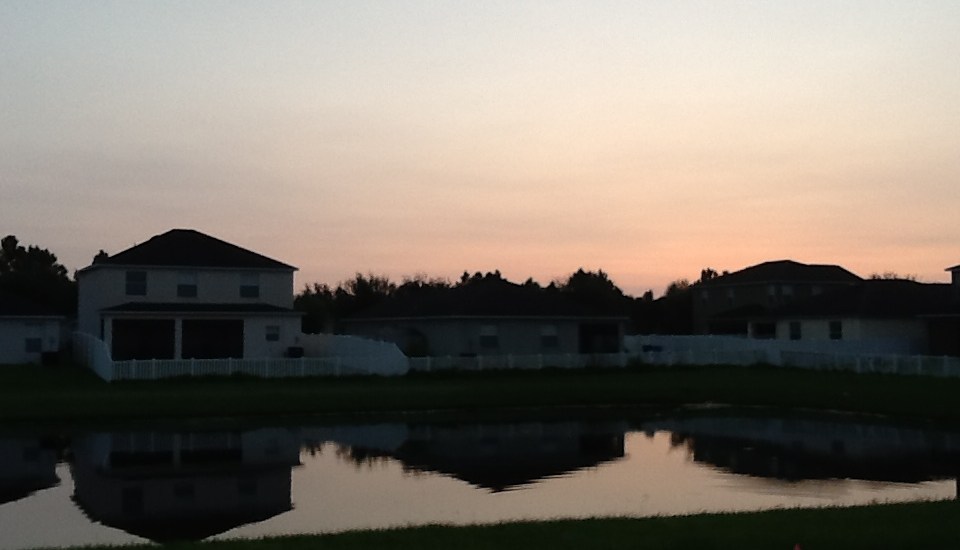
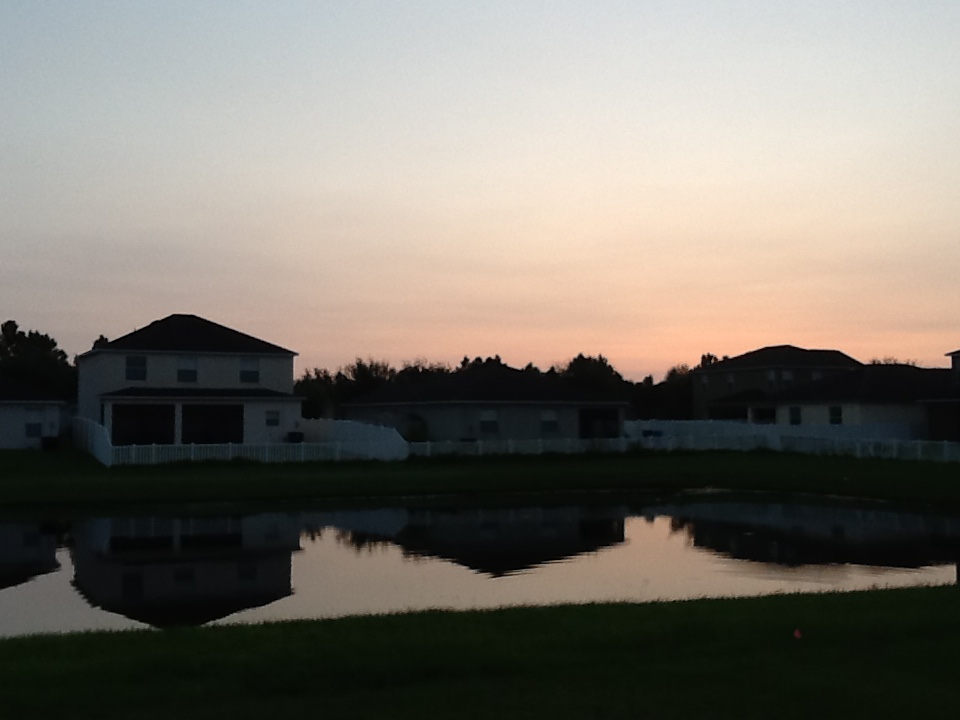
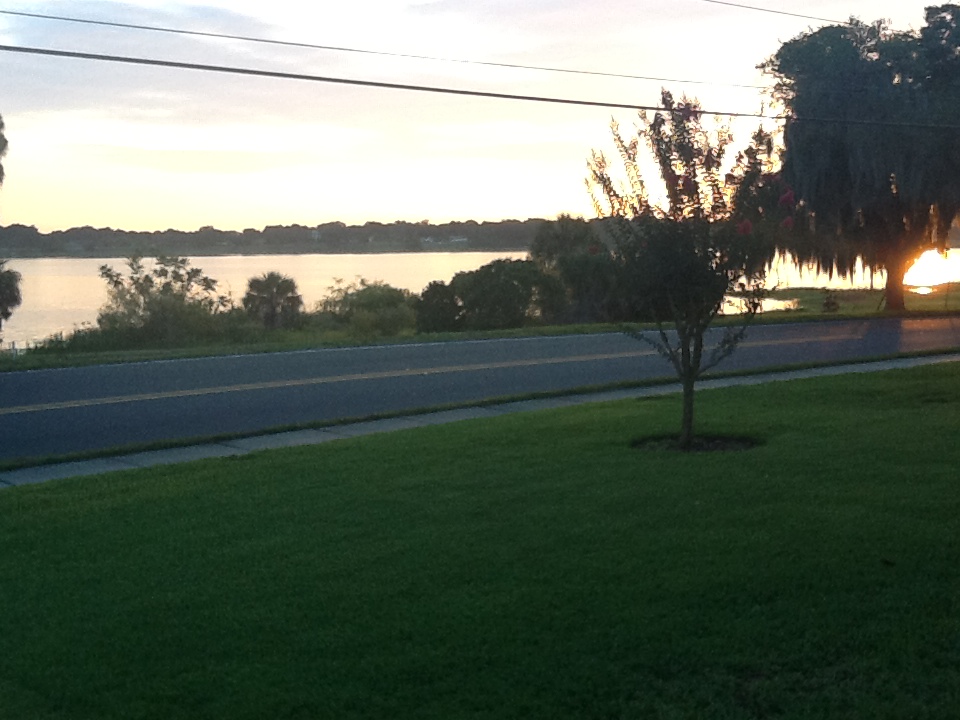
image As I sit here with my French-pressed morning coffee, I look across our little neighborhood pond and I’m thankful for an ordinary dawn. My wife, my sons, and I have now been in our new home roughly a month, and during that month, we have had the unique opportunity to survive Hurricane Irma.
Predictions were all over the place, but as it turned out, our new home near Tampa was spared the brunt of the storm. Instead, it turned east, striking my former city of residence with an angry ferocity not seen since Hurricane Donna. My previous home was undamaged as well, fortunately, and all my central Florida family members weathered the event without much ado: a few branches were downed, foliage was blown all over the place, but their homes and their lives were spared. We are grateful.

Our new home lost power for about two days, and we all became reintroduced to such preservative-laden delicacies as Vienna sausage, which, for the uninitiated, is essentially the leftover parts of varying animals rolled into a slick, flesh-colored casing and stuffed into a tiny can. It is, perhaps, the closest thing to Soylent Green that I’ll ever eat.

Without power, the grill became our friend as well, barbecuing the wholesale-club sleeves of burgers we had frozen for a large family dinner. No freezer meant that all that cow was going to go bad, so it was charcoal to the rescue. I felt sort of bad grilling all that delicious ground beef because I have Hindu neighbors. There they were: no electricity, and having to smell the meaty (offensive?) aroma of medium-well survival patties. What’s an old country boy to do?

At last, power has been restored, life has returned to normal, and I’m once again able to enjoy the first-world luxuries of air conditioning, hot water, and a civilized kitchen. Our little foray into apocalyptic living is over, for now. But as Jose churns in the Atlantic, I think I’ll see if Sam’s has mega-packs of veggie burgers, just in case.

life, poetry, teaching, writers, writing

On Exploring Other People’s Homes

window on the world
The view from my current home, which has inspired so many poems.

My wife and I are trying to find our next house. I’ve been driving a 140-mile round trip to work since September of last year, when I accepted a position teaching college English and Literature in Clearwater. I love the job, and she just accepted a position in a doctor’s office over there, as well. This, of course, has necessitated a lot of house-hunting.

I’m not a firm believer in new-age spirituality or that kind of thing, but I do think it’s interesting when you walk into a potential new home and pick up the energies that the last people left behind. In divorce homes, you can feel the tension and anxiety. In foreclosures, you can feel the dread, the sleeplessness, and occasionally the hatred. In homes that have been well-loved, you can sense that, too.

All this house-hunting and its associated investigations have brought me back to my reporter days, when I had to enter crime scenes and disaster scenarios: Every time, there was some kind of toxicity in the environment. It came not from the smells of violence or destruction — it was intangible. I am grateful that the homes my wife and I have entered so far have been free from that same toxicity, even if the air feels tense or unhappy.

And in addition, going into so many houses makes fertile ground for poetry. The way others live is a fascinating and often striking subject, and no doubt these forays into real estate will result in some creative work as time elapses.  For now, though, we continue to go about the nuts-and-bolts processes of home buying and selling. The whole transition is the stuff of literature, and here’s hoping that the eventual words will do justice to the experience.

P.S.: Realtors, financiers, and other business-types, please don’t contact me via this site peddling your wares. We’re already well taken care of. Thanks for respecting our wishes.